After Early Modern
Tower of London holds the mortal waiting.
The place is not backdrop. The Tower matters because this is where the state turns intimacy into confinement, ritual, and the narrowing of every remaining option.
A fortress where judgment has already become environment, and where waiting itself is part of the sentence before the sentence arrives.
The Tower explains why the encounter begins in waiting rather than action. The pressure is already total here: watchfulness, enclosure, fear, and the knowledge that the machinery outside the door is not turning in her favor.
It also turns the journey toward the book, because staying with Anne now means following how desire, power, danger, and abandonment have been tightening long before this final room.
Remain with this life
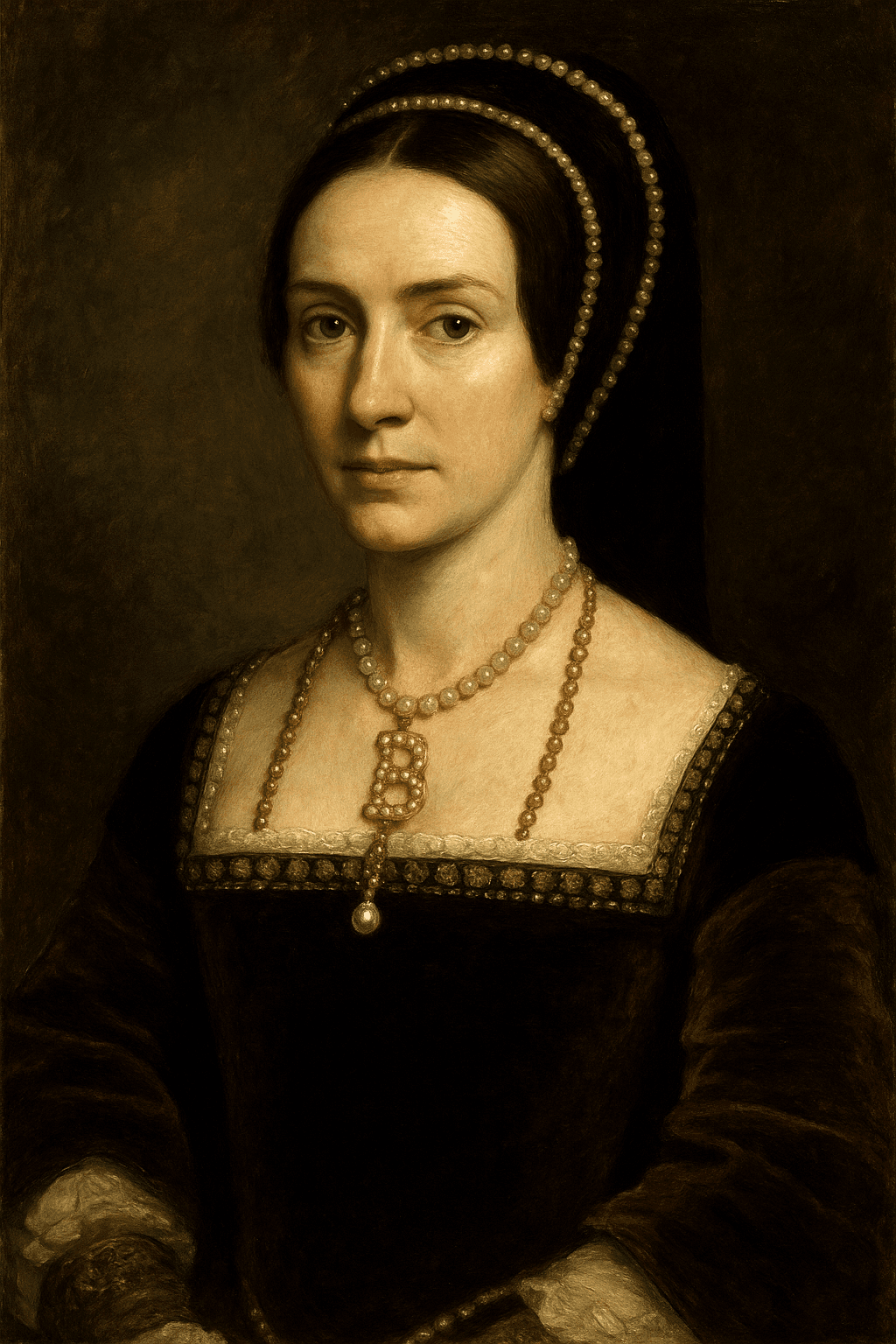
Stay with Anne in the book.
The journey has brought you to Anne Boleyn's room, the daughter who receives the same dynastic pressure differently, the wider age, and the tower where favor has become danger. The book lets that same life continue without interruption.
Anne Boleyn / 1536 - Tower of London
In the Tower of London, waiting for a verdict she already knows, a queen sets down what Henry will never allow to be read.
Continue
Then let the next life begin.
Membership opens the wider Meet the Past library for EUR 49/year when you want the next encounter to begin as this one closes.
Return to Anne now that the Tower is clearer.
Go back to the opening room and feel more precisely how much of the pressure comes from the Tower as well as the person inside it.
Step back to the wider age behind the confinement.
The Tower matters most when the visitor can still see the early modern world pressing through its stone.
Known
The governed Anne Boleyn volume anchors her in the Tower of London in 1536, and the governed place registry includes the Tower of London as a canonical location.
Reading
This step reads the Tower as a place where accusation has already become lived reality because the governed time-anchor line and GROW-01 opening encounter both place Anne inside confinement before formal resolution.