Featured period
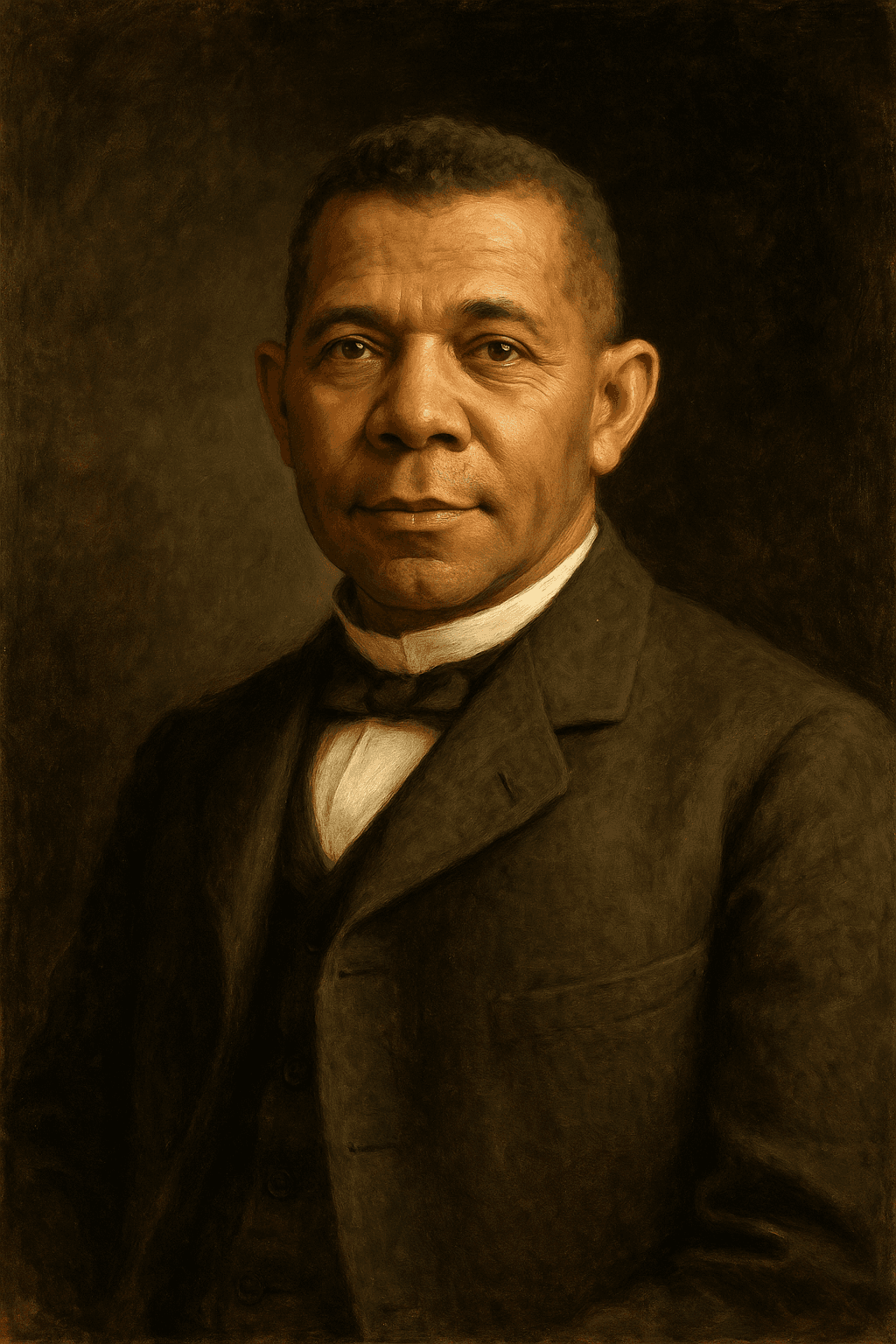
Booker T. Washington
1914 - Tuskegee, Alabama
At Tuskegee, a man who built an institution from nothing reflects on the cost of compromise with a nation that never intended to keep its promises.
Open this life
By time
Choose a stretch of time, meet the people gathered there, and move outward through the places that held them.
Current period
20th century opens onto 41 lives, 8 place stories, and 2 named historical windows.
Lives in this period
These are the clearest lives to open first when you want a person, not a date label, to lead you into the period.
1914 - Tuskegee, Alabama
At Tuskegee, a man who built an institution from nothing reflects on the cost of compromise with a nation that never intended to keep its promises.
Open this life
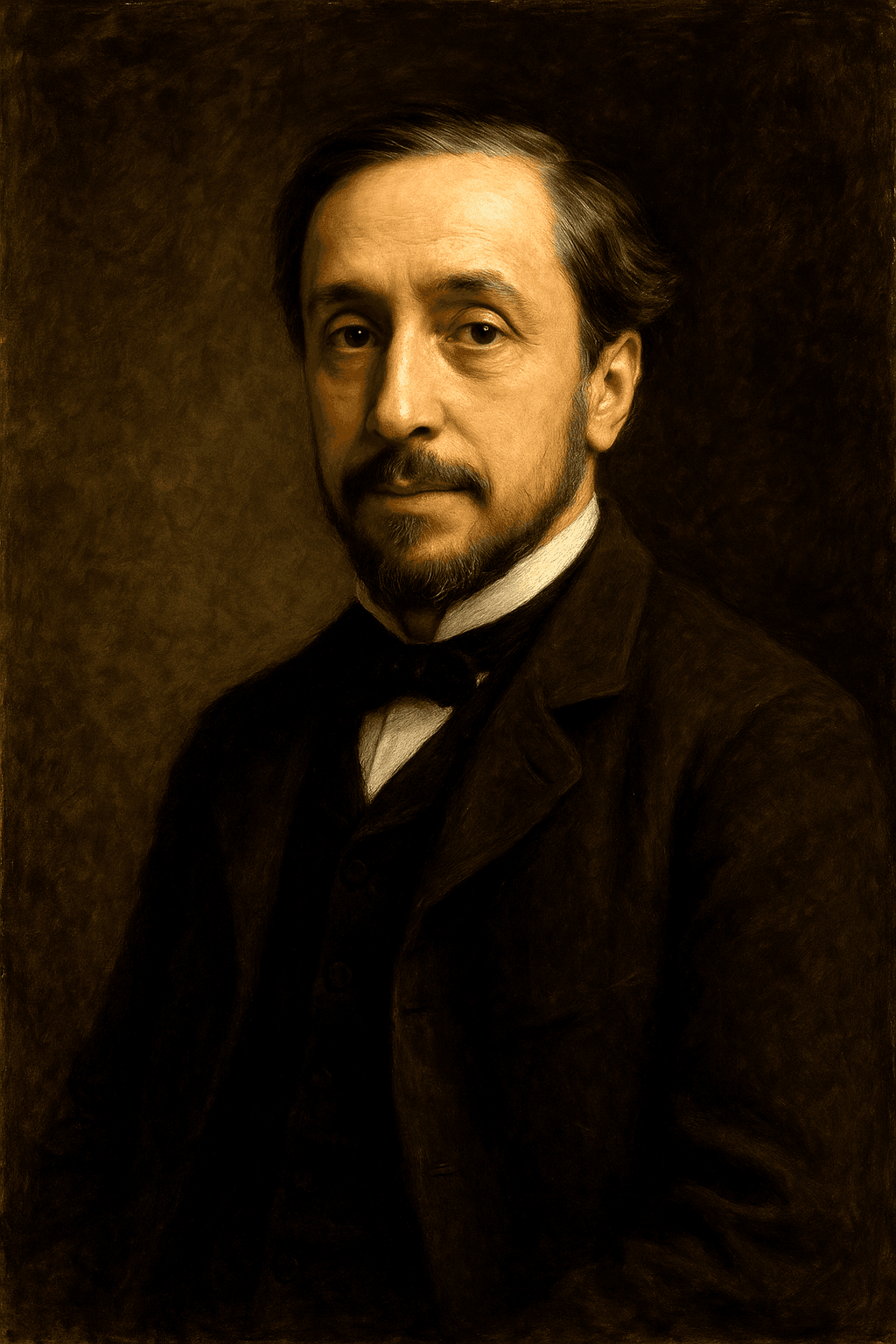
1917 - Paris
I am eighty-three years old, and if the matter is to be stated without the sentimental falsity with which old age is usually surrounded by those who do not yet suffer it, I am blind enough for the practical arts to have been taken from me and not blind enough to be spared the humiliation of knowing precisely what has been taken.
Open this life
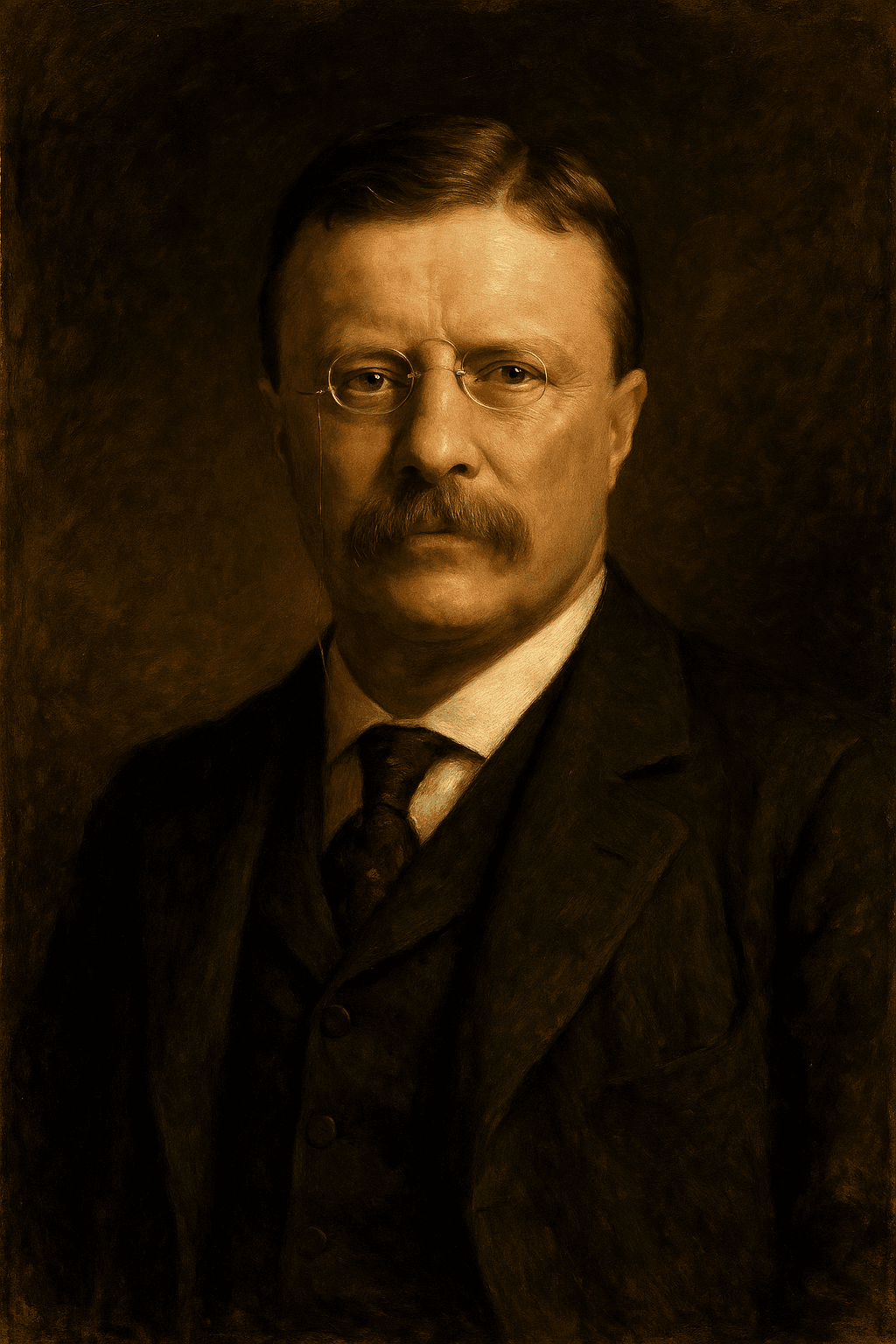
1919 - Oyster Bay, New York
Physical decline, post-power irrelevance, and appetite refusing retirement.
In Oyster Bay, a former president burns with unfinished energy and the knowledge that the country moved on without him.
Open this life
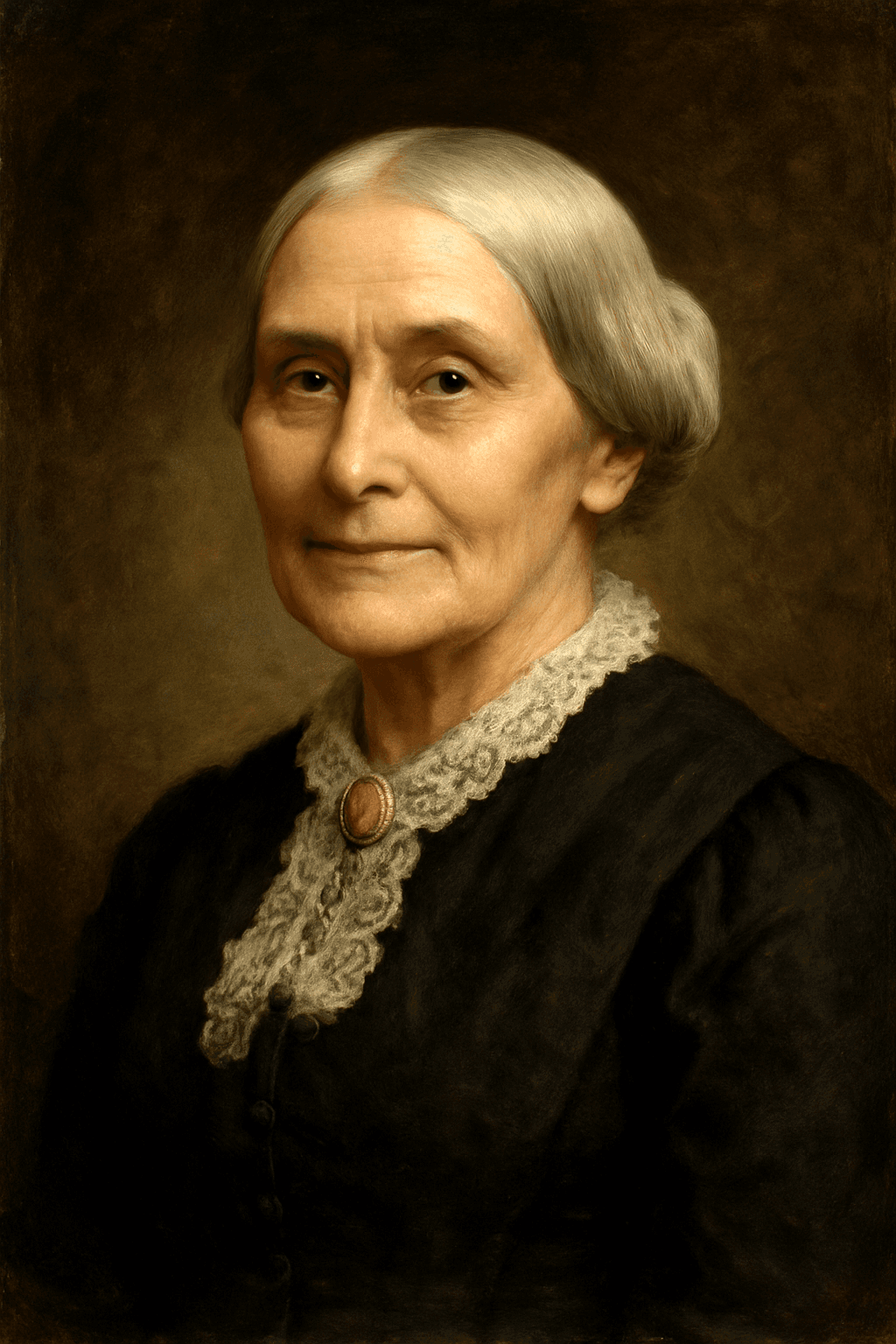
1905 - Rochester, New York
In Rochester, after a lifetime of being arrested for voting, a suffragist reflects on the distance between rights declared and rights delivered.
Open this life
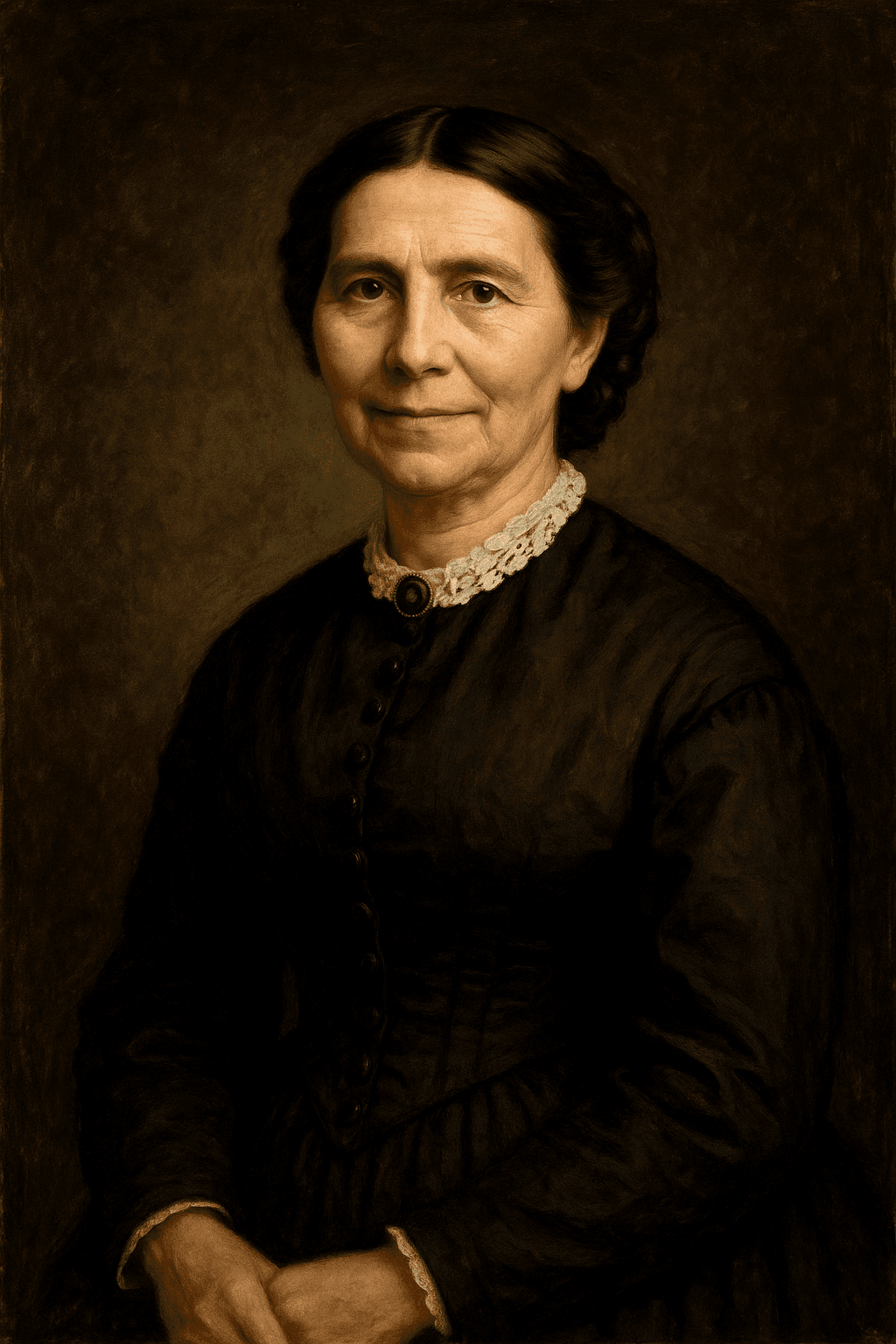
1906 - Glen Echo, Maryland
The founder of the American Red Cross reflects on what she witnessed on battlefields that the official histories chose to sanitise.
Open this life
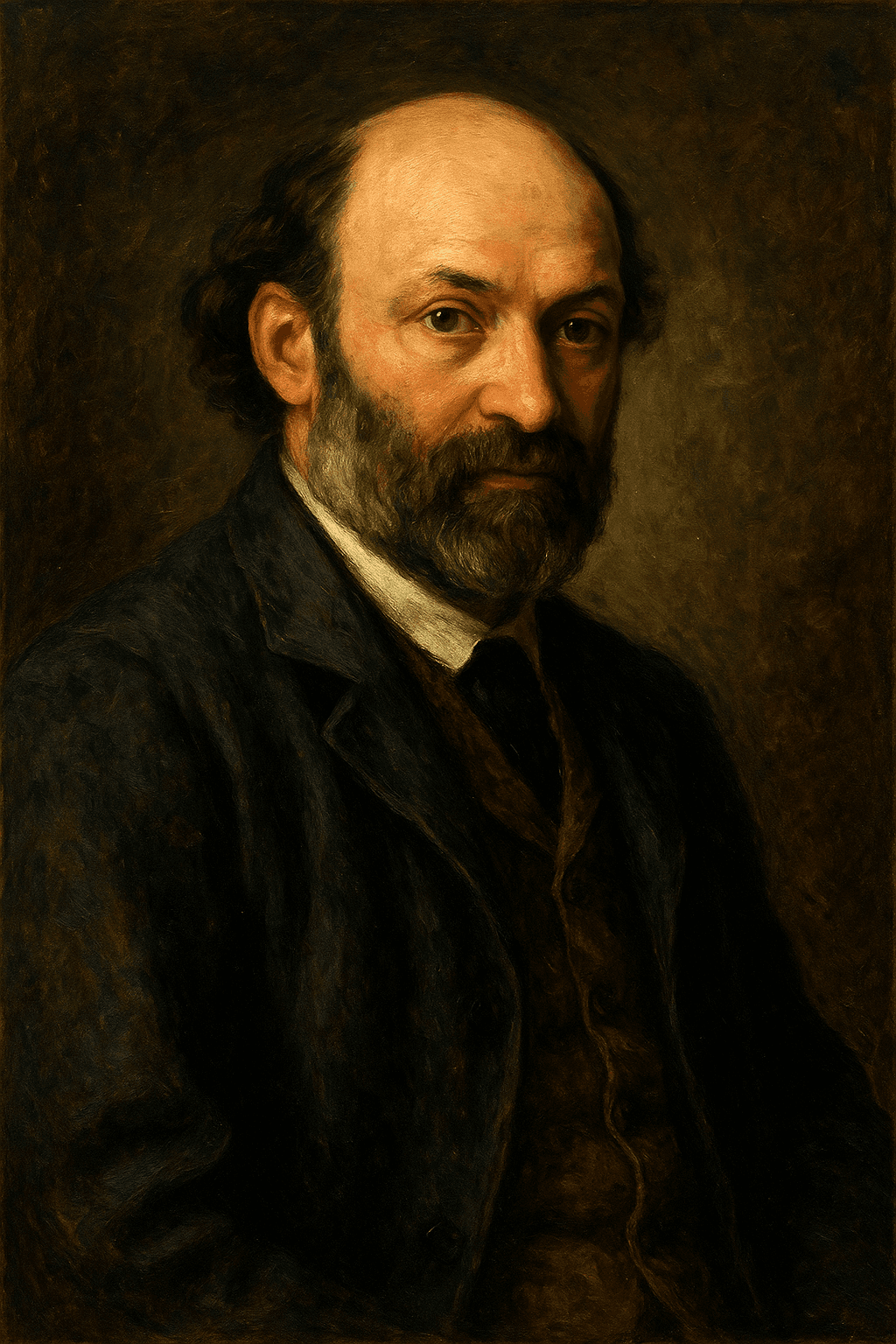
1906 - Aix-en-Provence.
I went back to the motif after the collapse because the motif remains what it is regardless of the body, and if the body now protests, falters, surrenders its force in the rain beneath the mountain, that does not alter the mountain’s necessity or the unfinished canvas waiting in the studio with the same quiet and intolerable right it possessed the day before I dropped in the field.
Open this life
Places inside this time
In 20th century, use the same years to move from chronology into cities, courts, islands, and regions that already carry deeper context.
Alive in this timeline around 1921 to 1928 / story span 1797-1928
Connected to 2 lives including Ernest Shackleton, Emmeline Pankhurst.
Enter this place
Alive in this timeline around 1930 to 1934 / story span 1930-1934
Connected to 2 lives including Ida B. Wells, Jane Addams.
Enter this place
Named windows
2 windows to step into
Modern
1825 to 1914
Reform, invention, nationalism, and new public expectations of leadership.
31 lives visible here
21 place stories active in the same years
Enter this periodModern
1914 to 1980
The century of ideology, media power, and private lives lived at full public scale.
33 lives visible here
26 place stories active in the same years
Enter this periodTime travel
1901 CE to 2000 CE
Time controls
Change the span without losing your route back into the lives and places already visible in this period.
8 place stories are visible in this time window.
Chronology
Move year by year, compare one life with the next, and open a person directly when the route becomes clear.
1905 - Rochester, New York
Place story available
In Rochester, after a lifetime of being arrested for voting, a suffragist reflects on the distance between rights declared and rights delivered.
Alive in this timeline around 1905 / story span 19th century-1906
Connected to 1 life including Susan B. Anthony.
Enter this place
20th century across the atlas
1905 - Rochester, New York
1906 - Glen Echo, Maryland
1906 - Aix-en-Provence.
1912 - Auburn, New York
Decades
1906 - Glen Echo, Maryland
Place story available
The founder of the American Red Cross reflects on what she witnessed on battlefields that the official histories chose to sanitise.
1906 - Aix-en-Provence.
Place story available
I went back to the motif after the collapse because the motif remains what it is regardless of the body, and if the body now protests, falters, surrenders its force in the rain beneath the mountain, that does not alter the mountain’s necessity or the unfinished canvas waiting in the studio with the same quiet and intolerable right it possessed the day before I dropped in the field.
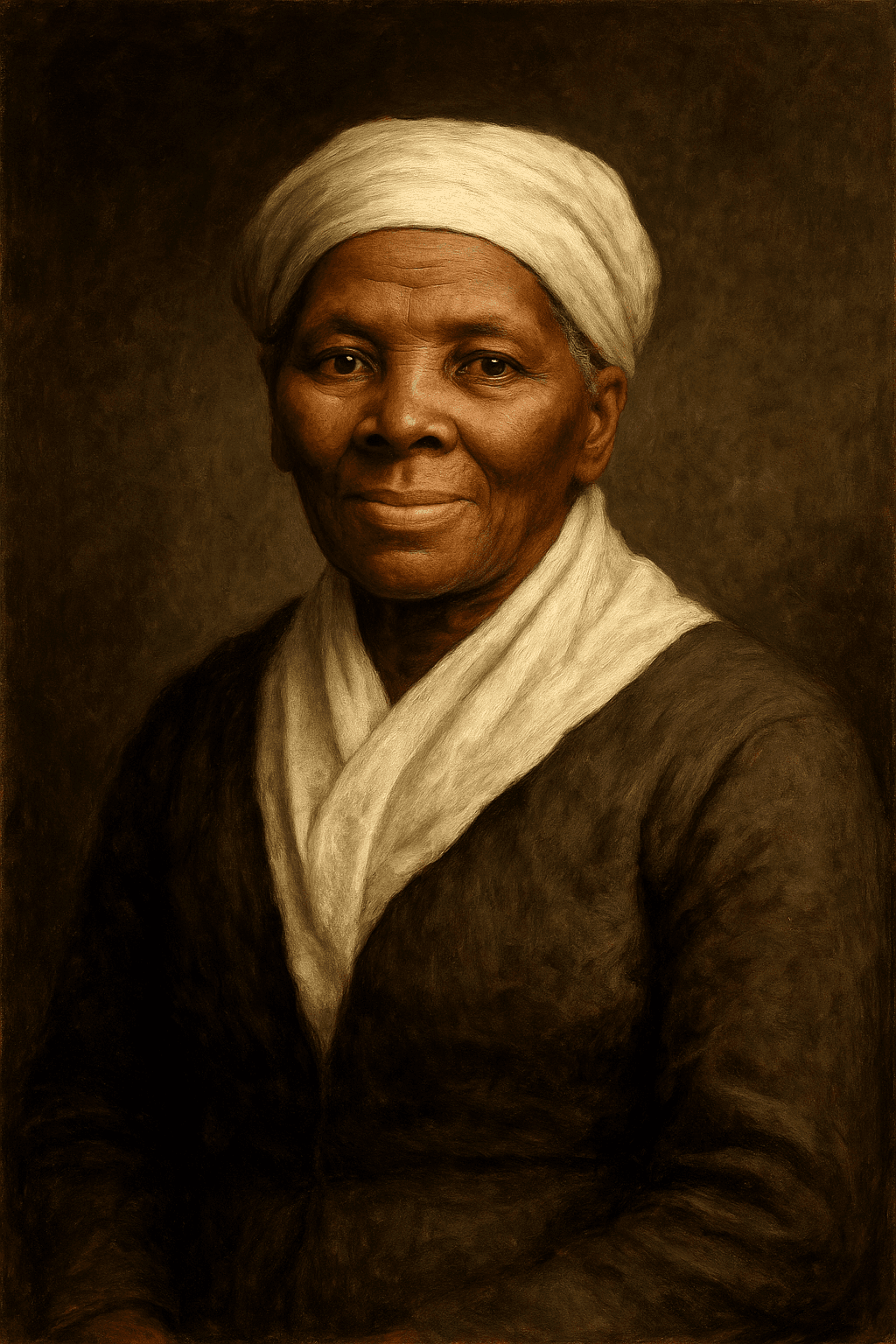
1912 - Auburn, New York
Place story available
At Auburn, a woman who freed hundreds through the Underground Railroad sets down the journeys that no document ever recorded.
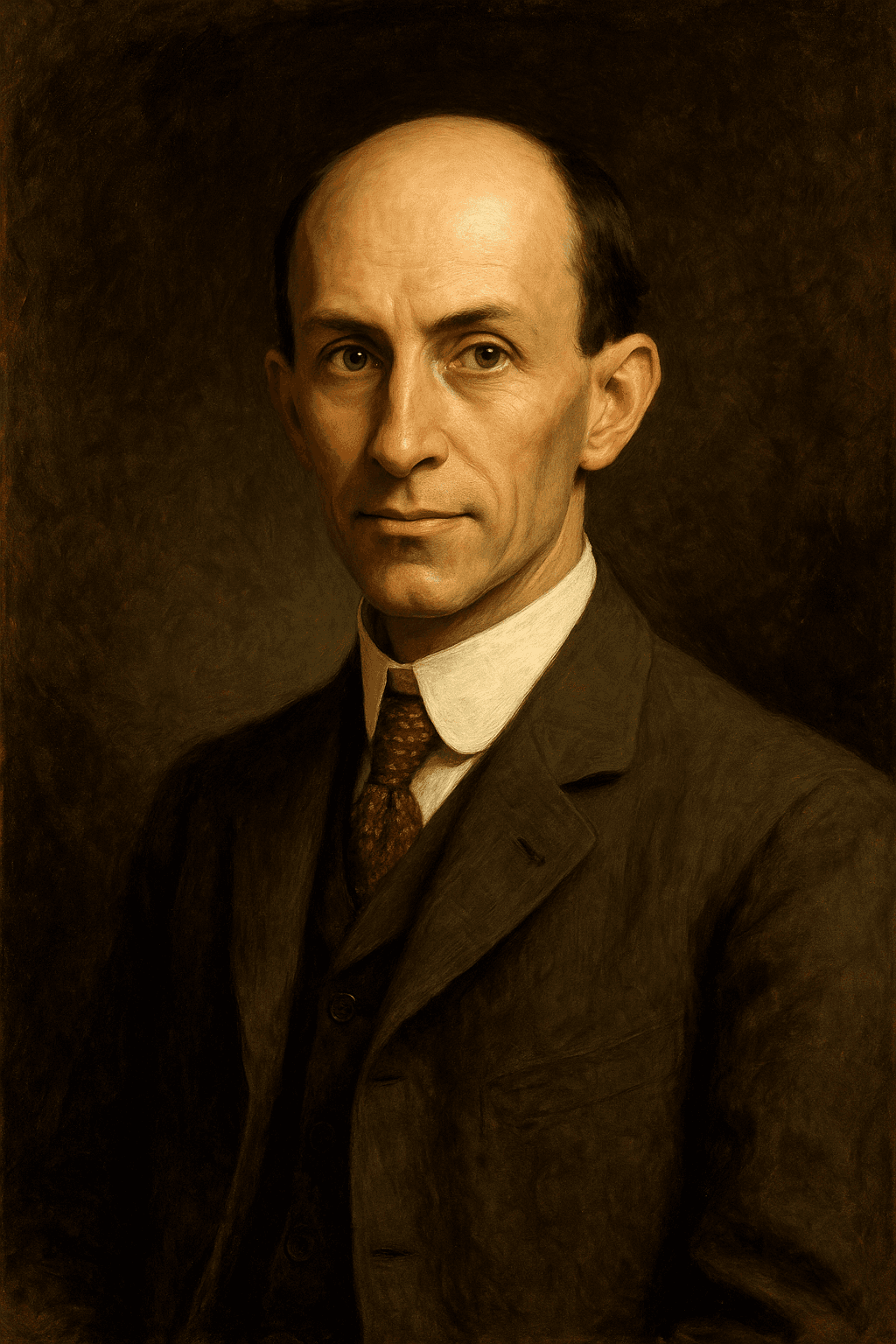
1912 - Dayton, Ohio
Place story available
With his lungs burning in Dayton, knowing he will not survive the year, the man who achieved powered flight sets down what the history books will get wrong.
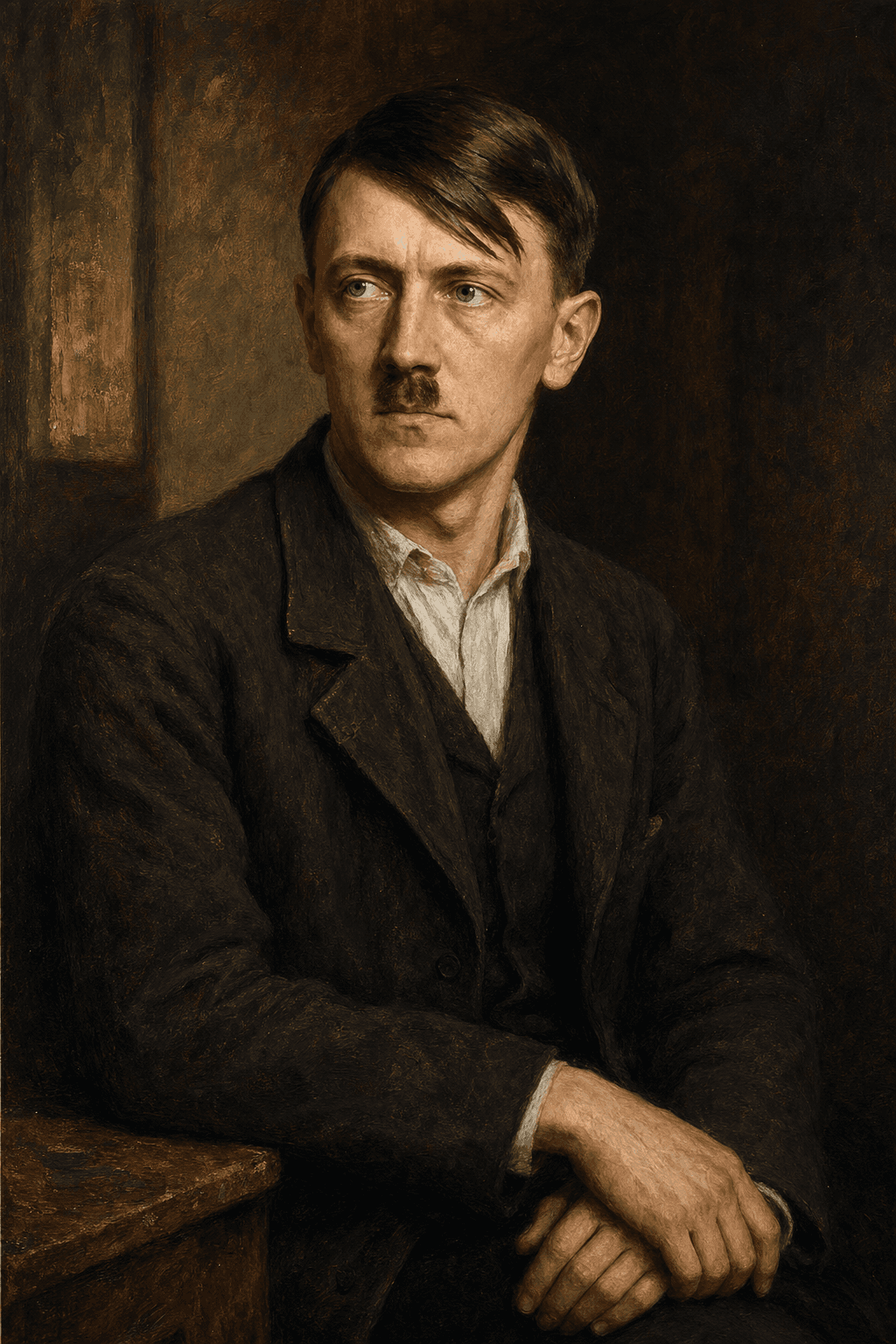
1913 - A working men's hostel in the Brigittenau district of Vienna, spring 1913 (the Männerheim, Meldemannstraße 27, XX. Bezirk; the figure resident since February 1910 and three weeks from departing for München).
A failed Academy of Fine Arts entrance candidate of twenty-four sits at the writing and painting table of a working men's hostel in the Brigittenau district of Vienna in the spring of 1913, paints a view postcard of the Karlskirche for the resale trade the hostel sustains, reads the day's pan-German pamphlet, and builds the account that keeps his circumstances from being his own fault.
1914 - Tuskegee, Alabama
Place story available
At Tuskegee, a man who built an institution from nothing reflects on the cost of compromise with a nation that never intended to keep its promises.
1917 - Paris
Place story available
I am eighty-three years old, and if the matter is to be stated without the sentimental falsity with which old age is usually surrounded by those who do not yet suffer it, I am blind enough for the practical arts to have been taken from me and not blind enough to be spared the humiliation of knowing precisely what has been taken.
1919 - Oyster Bay, New York
Place story available
Physical decline, post-power irrelevance, and appetite refusing retirement.
In Oyster Bay, a former president burns with unfinished energy and the knowledge that the country moved on without him.
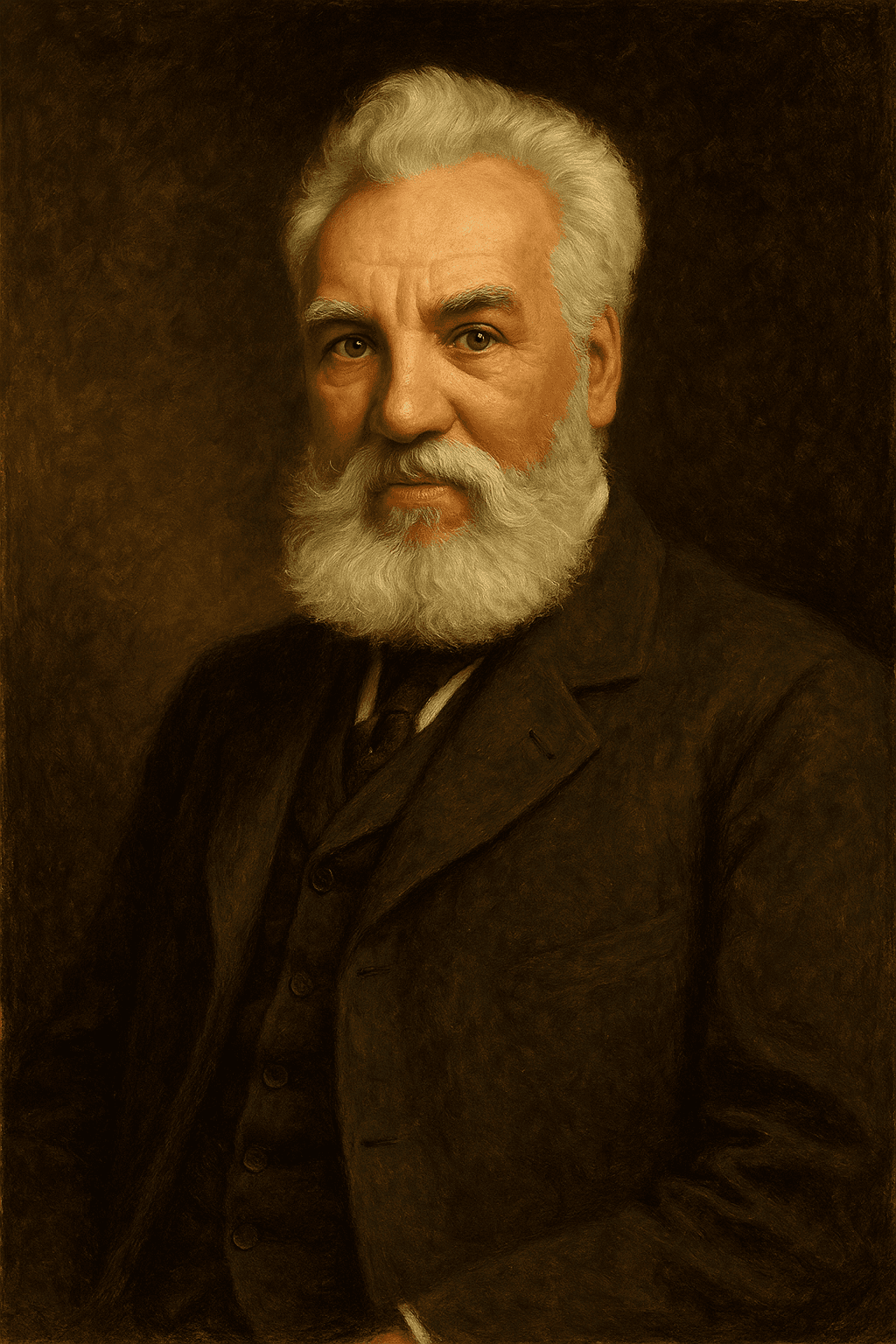
1921 - Beinn Bhreagh, Nova Scotia
Place story available
Hearing little now except the inner rushing of his own blood, the inventor of the telephone reflects on the sounds that changed everything.
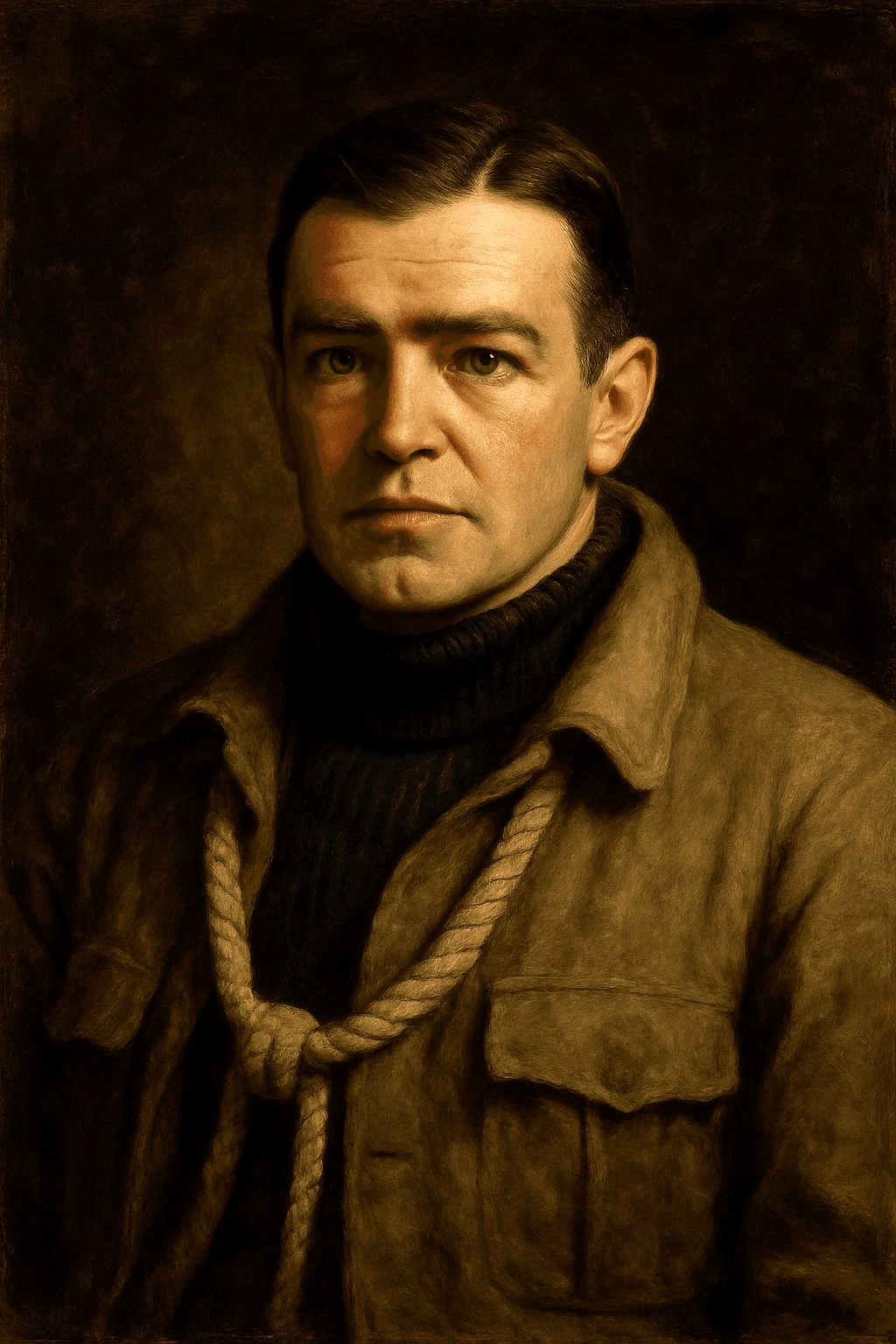
1921 - London
Place story available
In London, with the weight of another departure pressing, the explorer whose greatest achievement was bringing every man home alive prepares for one last voyage.
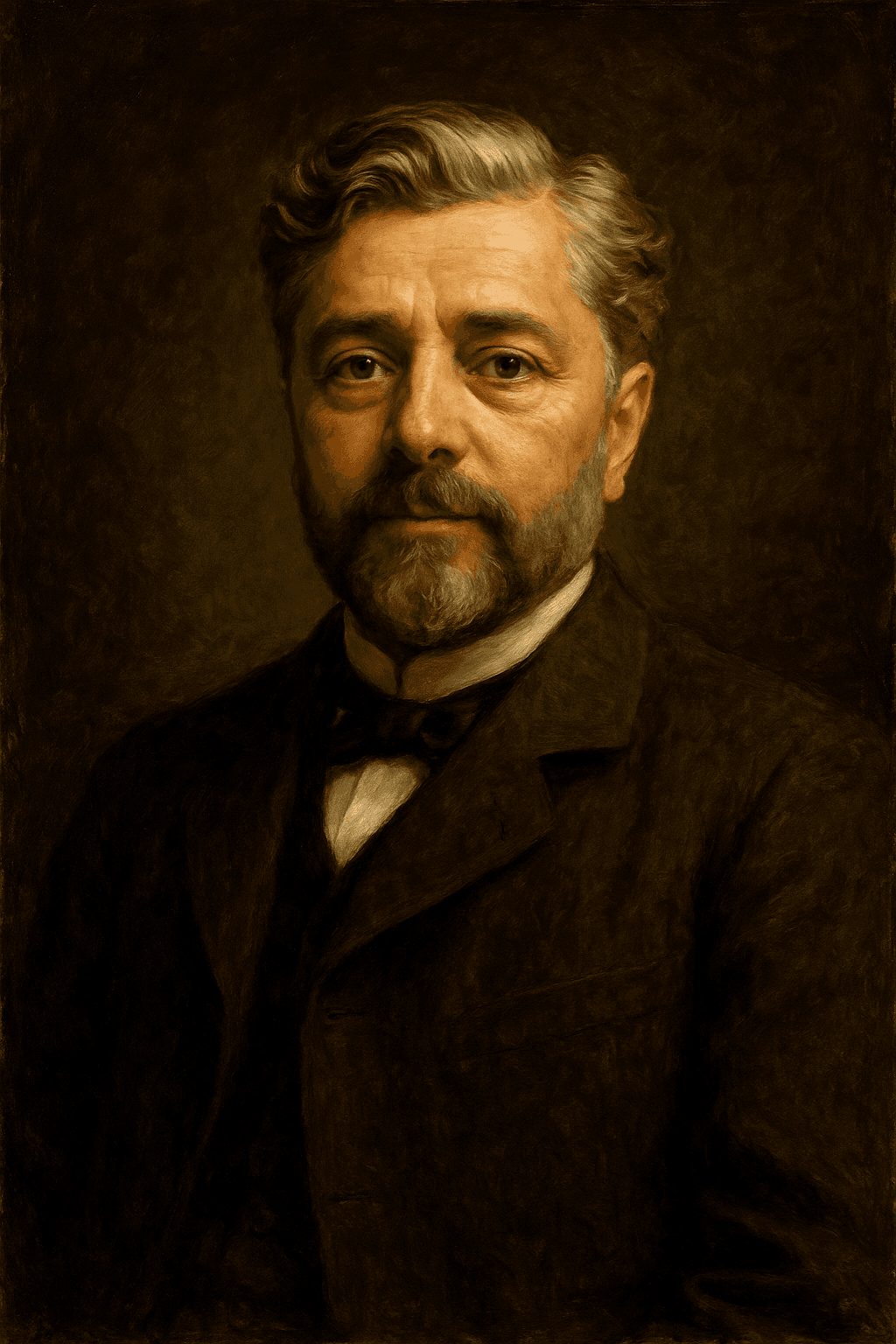
1922 - Rue Rabelais, Paris
Place story available
In his ninetieth year on the Rue Rabelais, the builder of the tower that defined Paris reflects on the difference between monuments and memory.
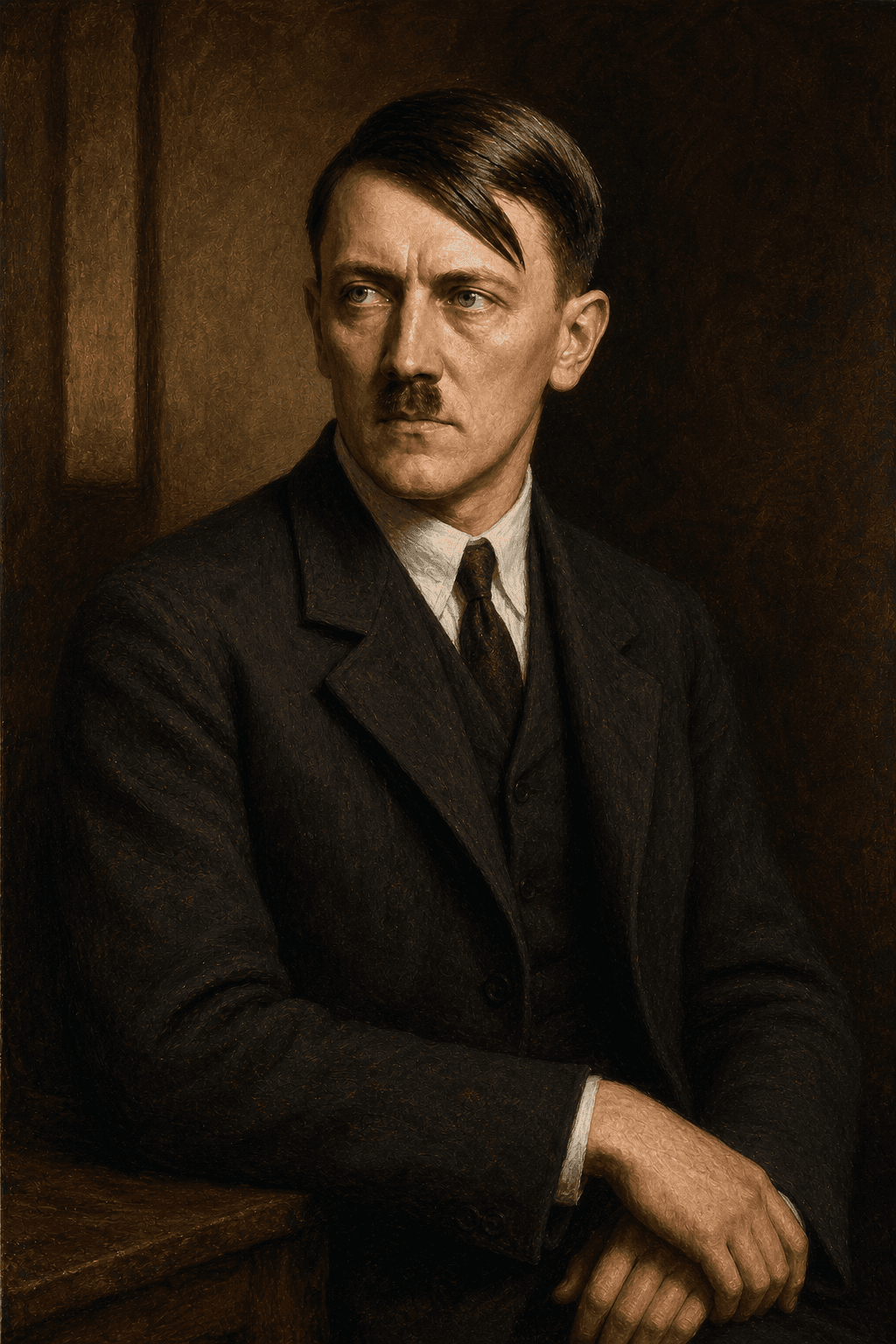
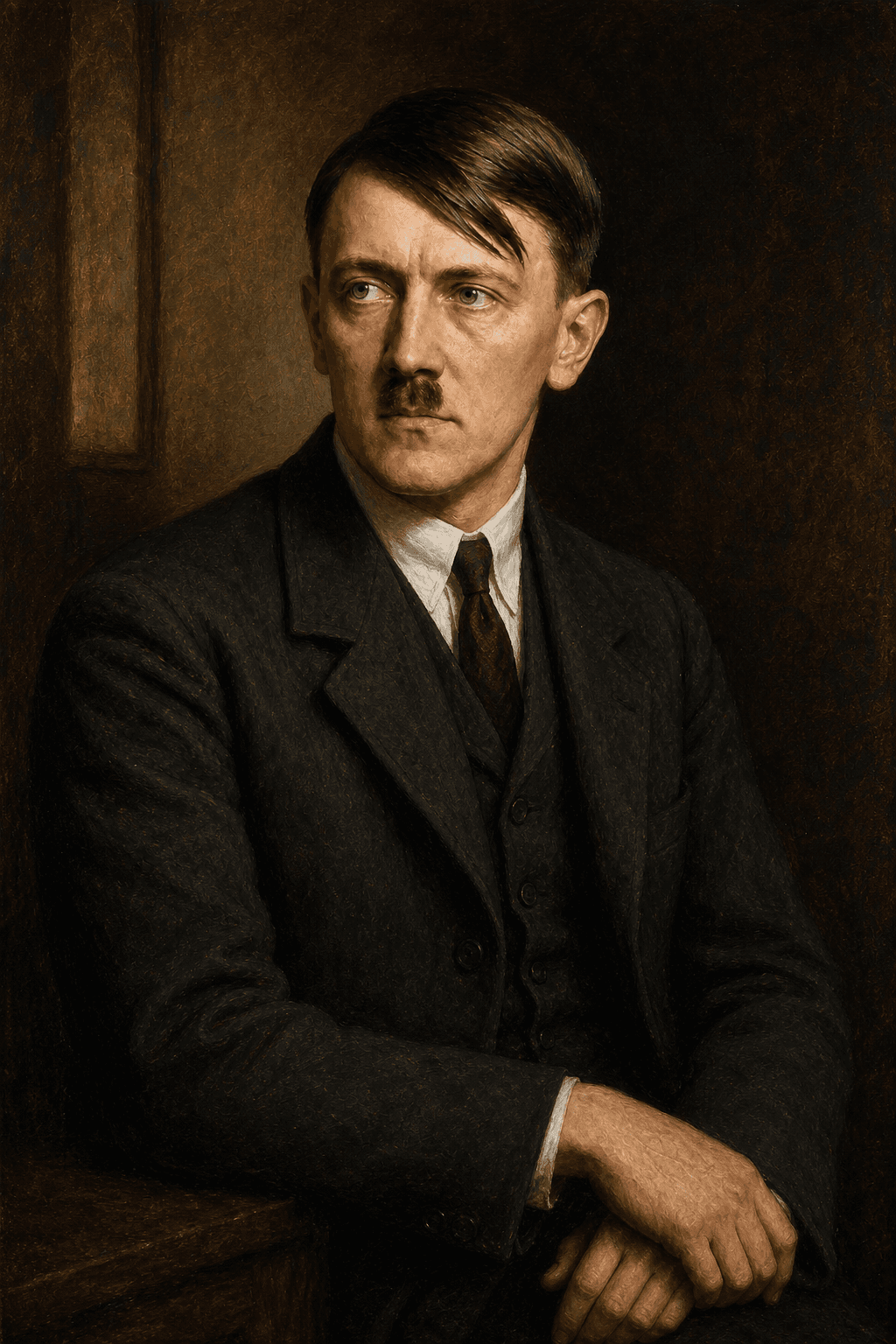
1924 - Landsberg fortress prison (the Festungshaft cell where the dictation is conducted), Bavaria
A failed putschist sits in a fortress cell dictating a book that assembles his personal grievances and the doctrines of his small party into a single system of self-justification, converting the catastrophe of November 1923 into the manuscript that will later be used to license violence against the categories the manuscript names as enemies.
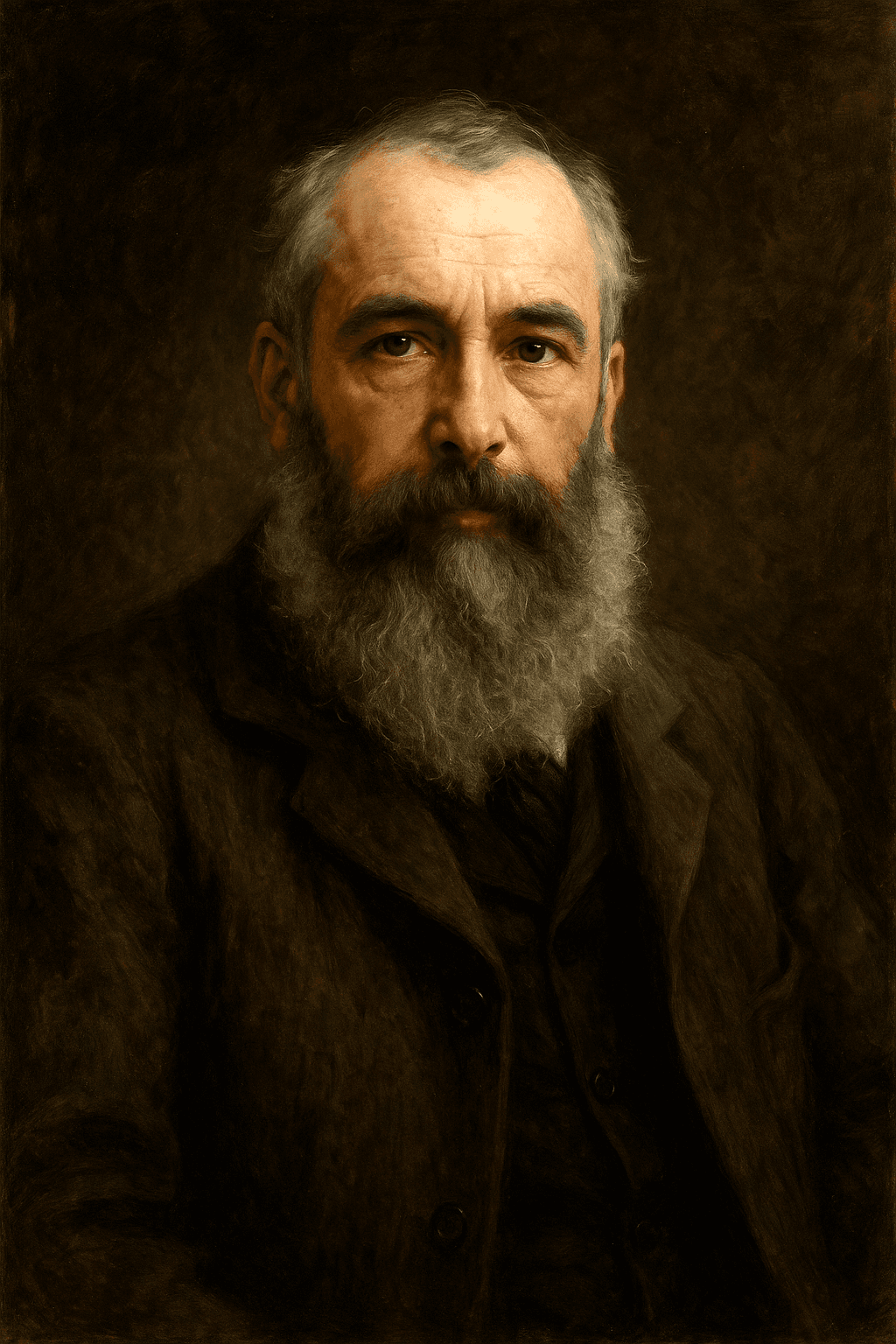
1926 - Giverny
Place story available
I am eighty-five years old and the garden is still outside the window.
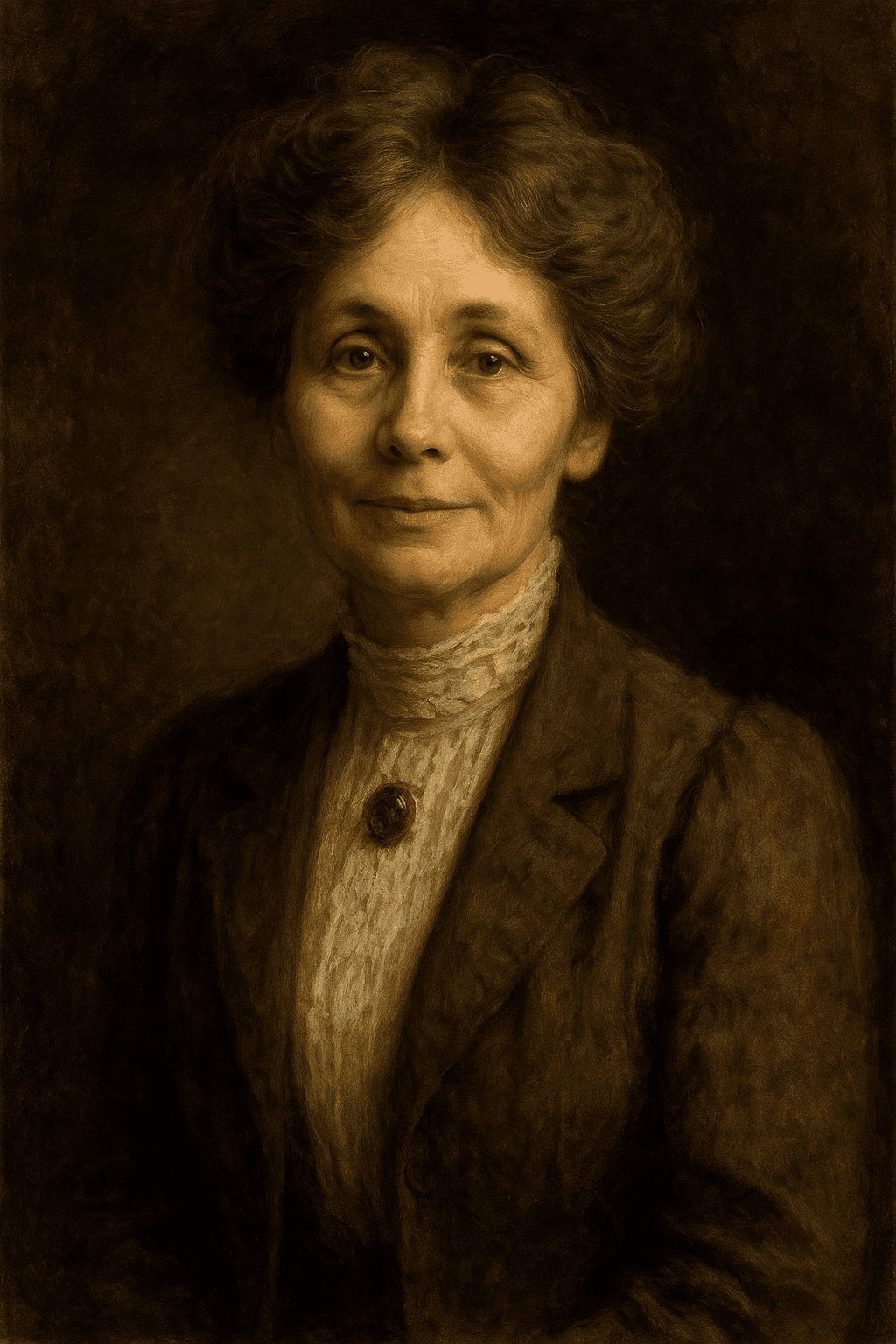
1928 - London
Place story available
The woman who led the suffragette movement writes what polite history will refuse to include about the fight for the vote.
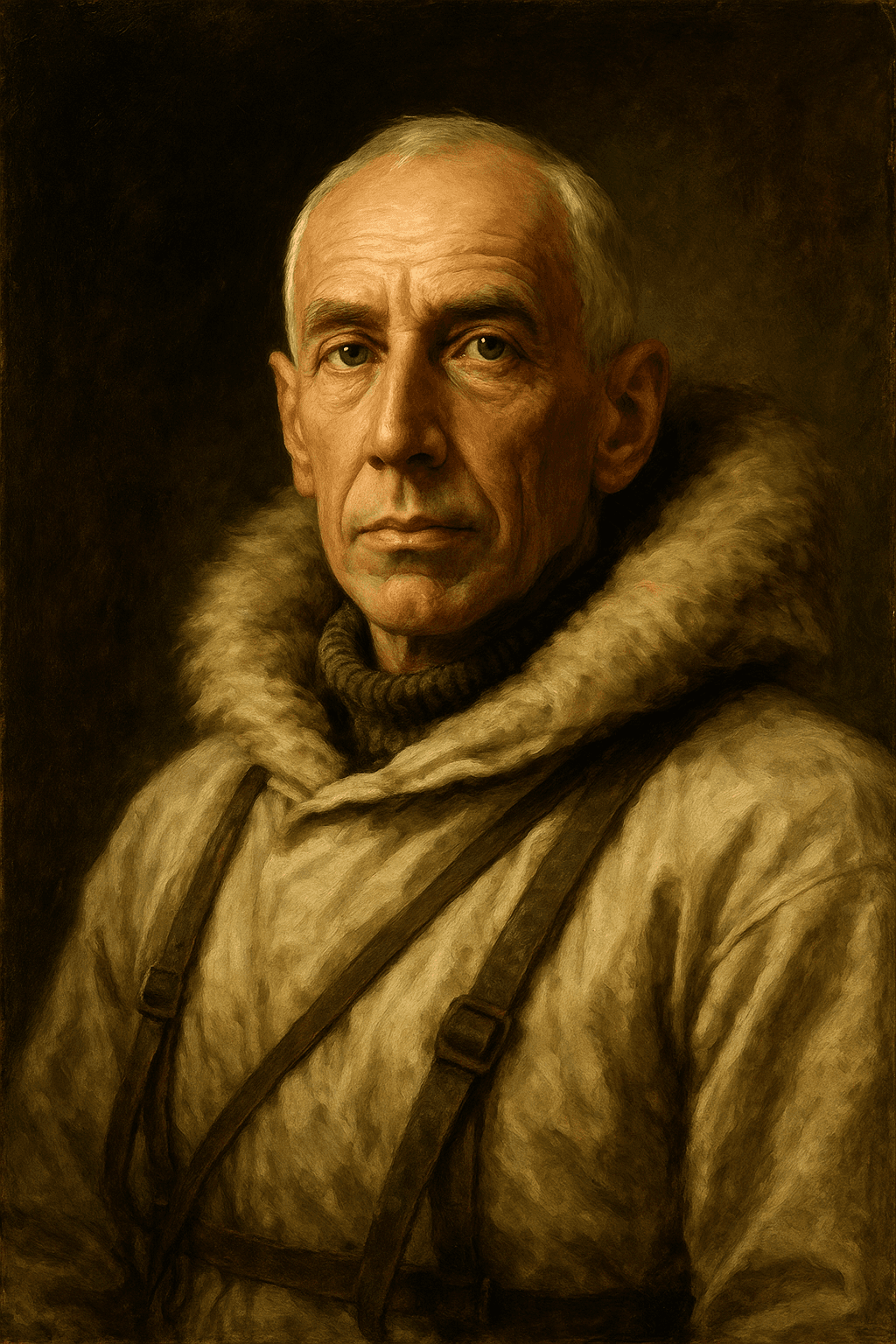
1928 - Tromso
Place story available
In the quiet between departures, the first man to reach the South Pole reflects on the expeditions that defined him and the one that will end him.
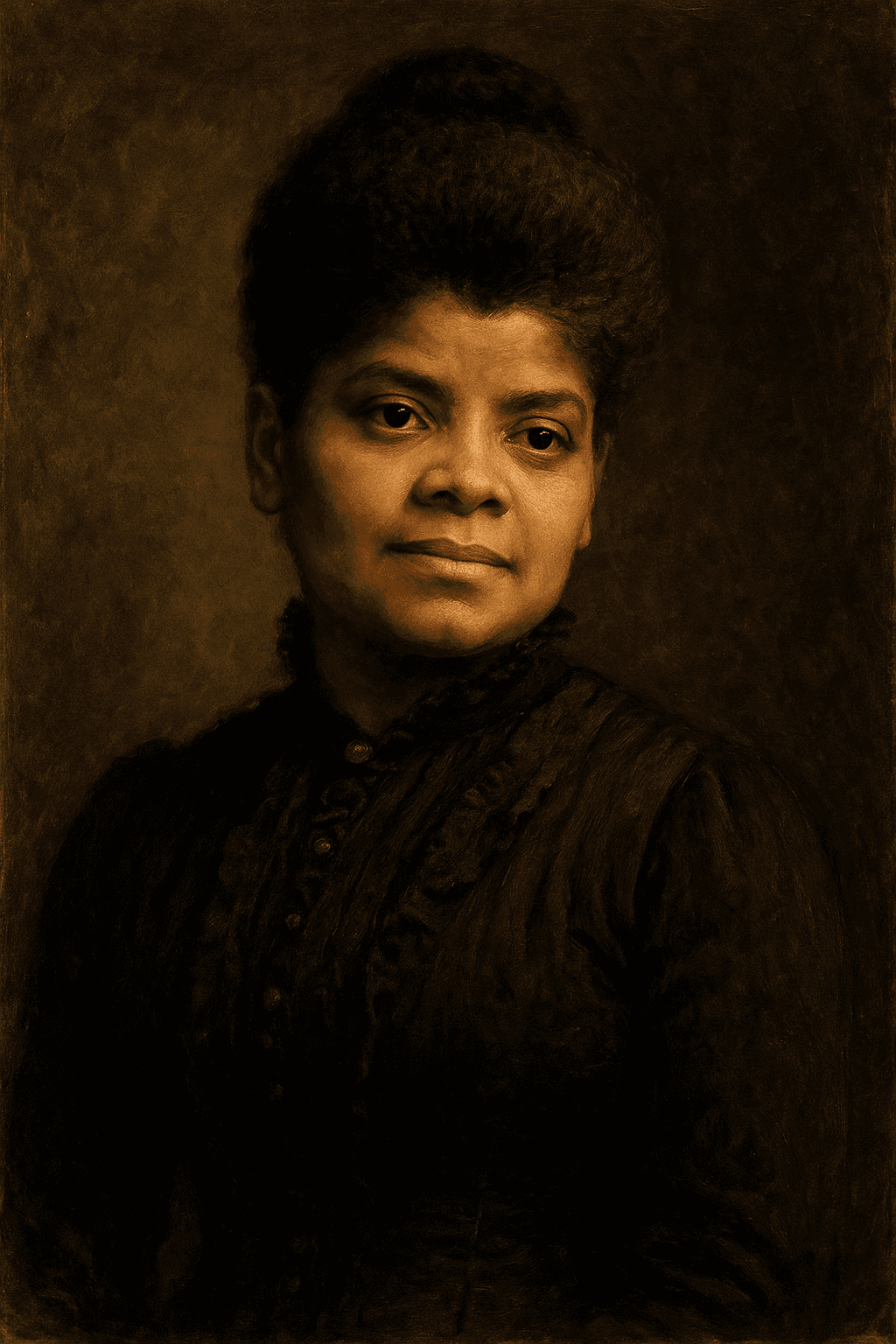
1930 - Chicago
Place story available
In a quiet house in Chicago, a journalist who documented lynching sets down the evidence that America tried to silence.
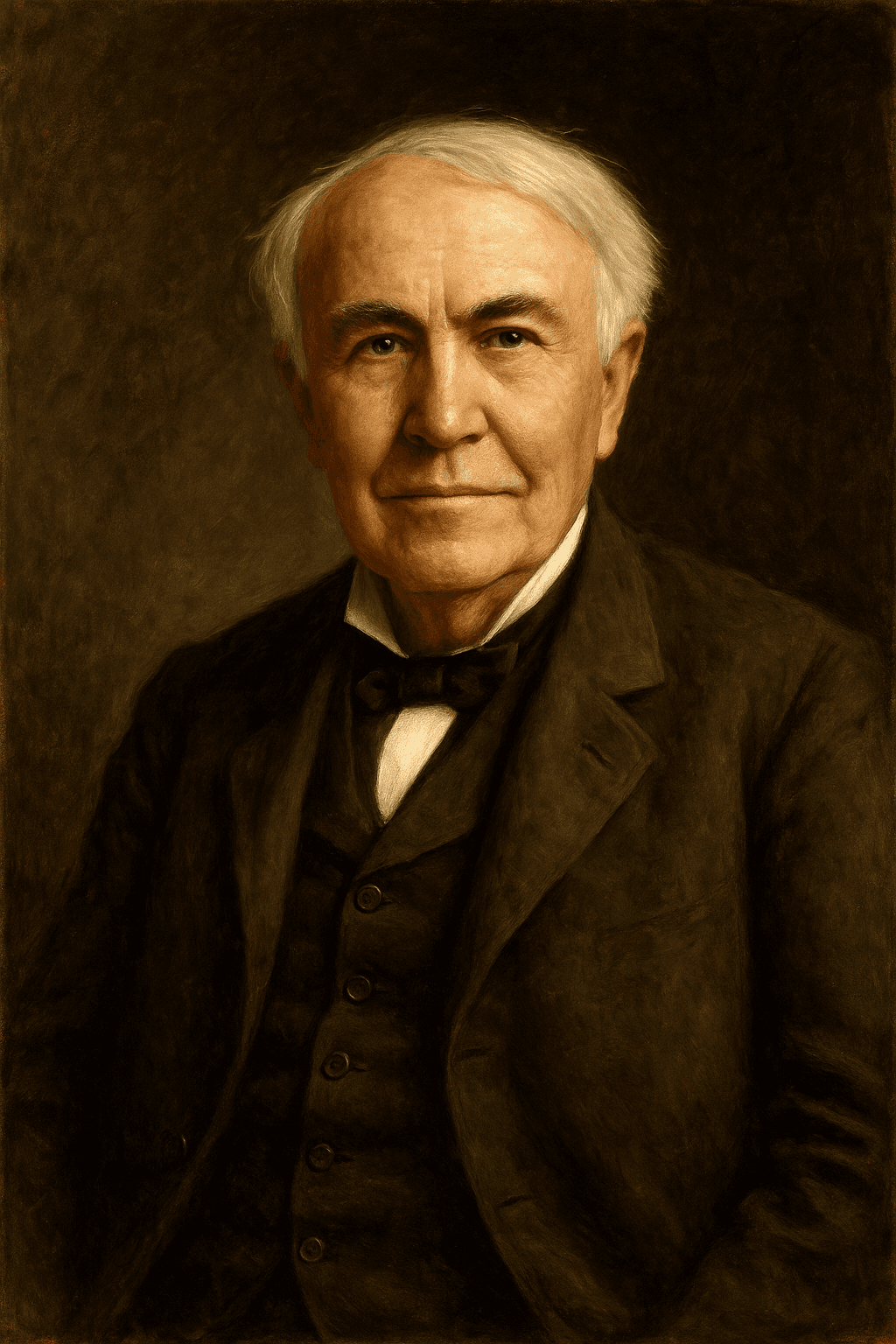
1931 - West Orange, New Jersey
Place story available
In West Orange, with the weight of laboratories behind him, the man who invented the modern age confronts what invention actually costs.
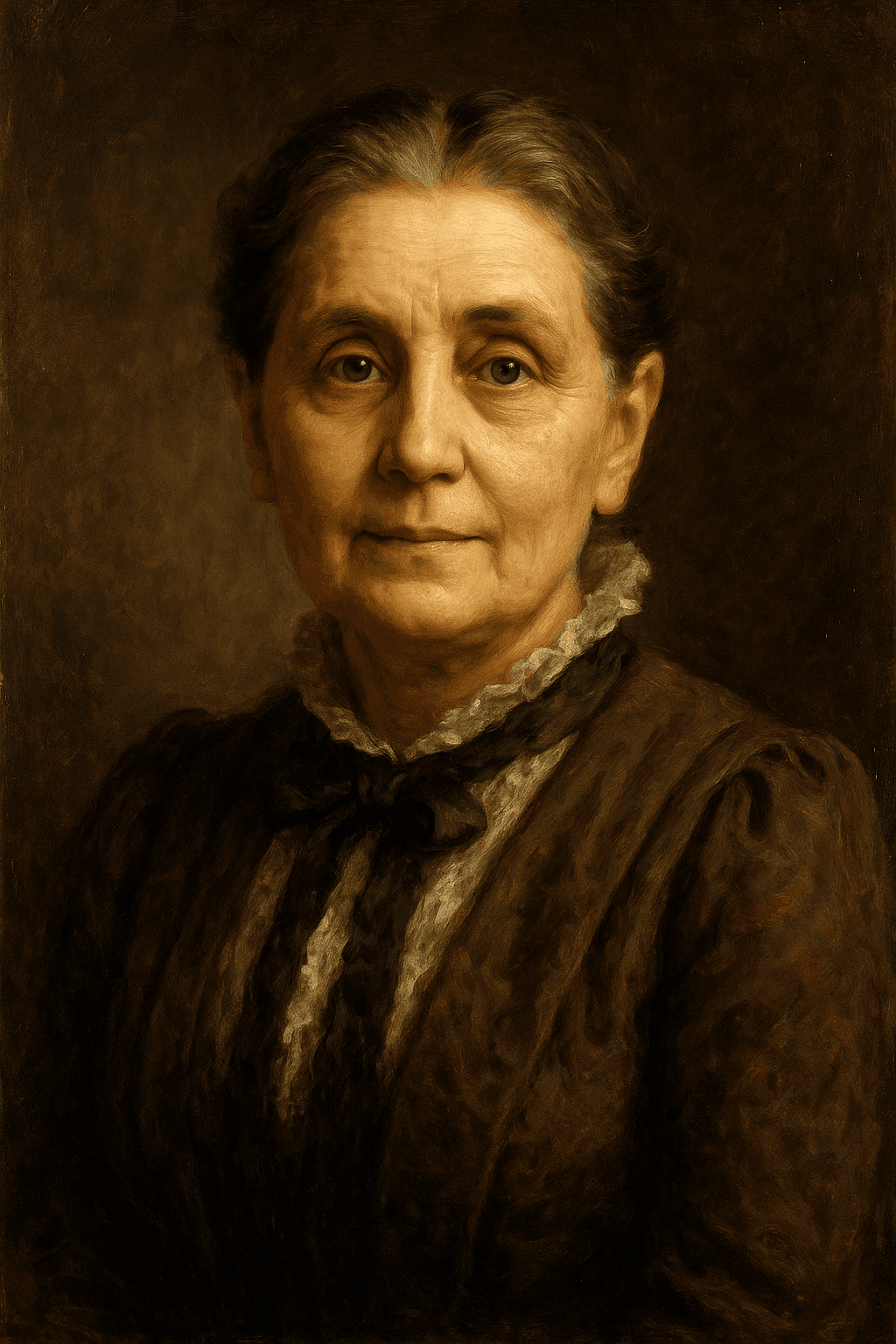
1934 - Chicago
Place story available
In Chicago, the founder of Hull House reflects on what reform cost her and what the Depression is doing to everything she built.
1934 - Passy, France
Place story available
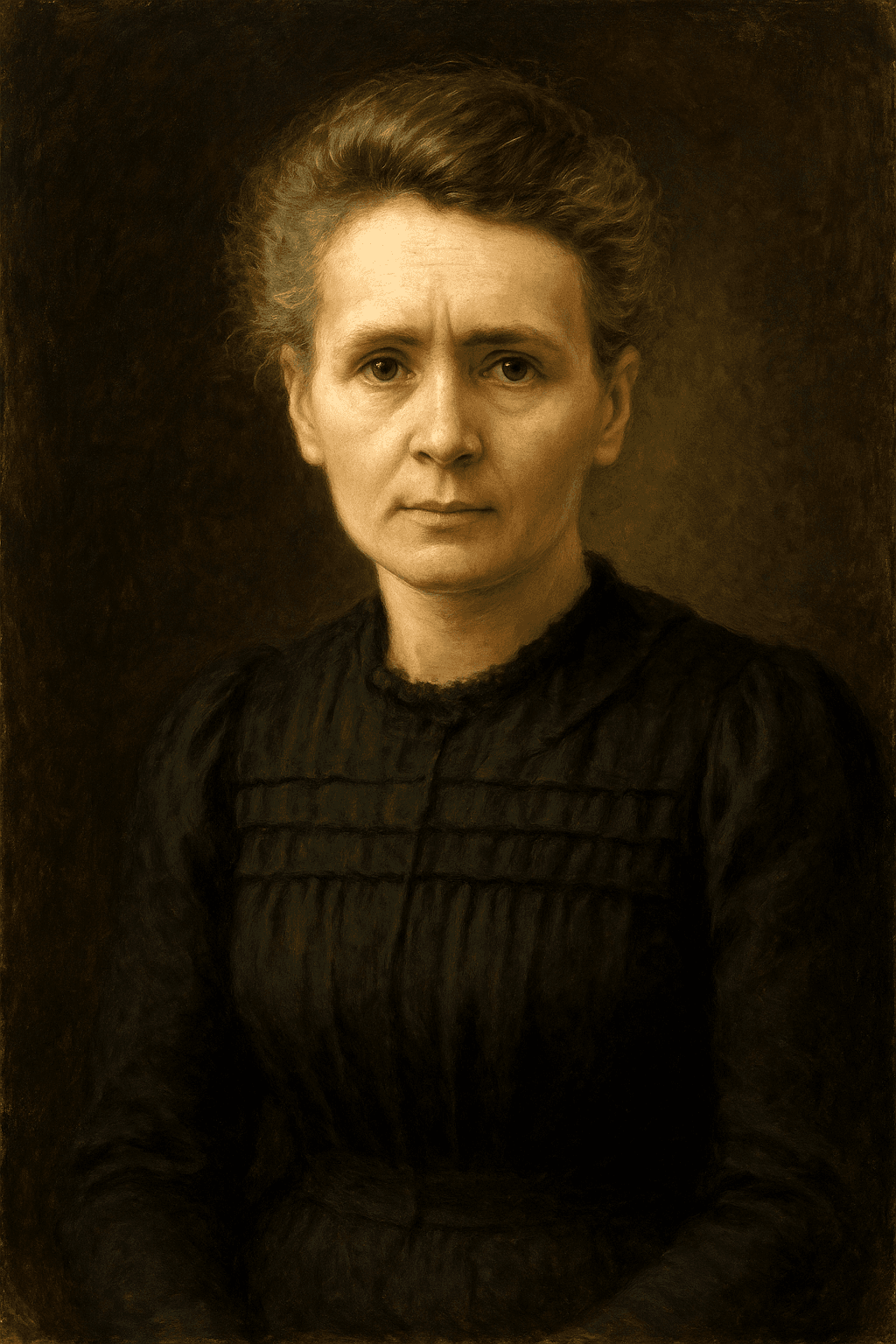
In Passy, while her blood fails her, the only person to win Nobel Prizes in two sciences reflects on what discovery actually costs.
1937 - Lae, New Guinea
Place story available
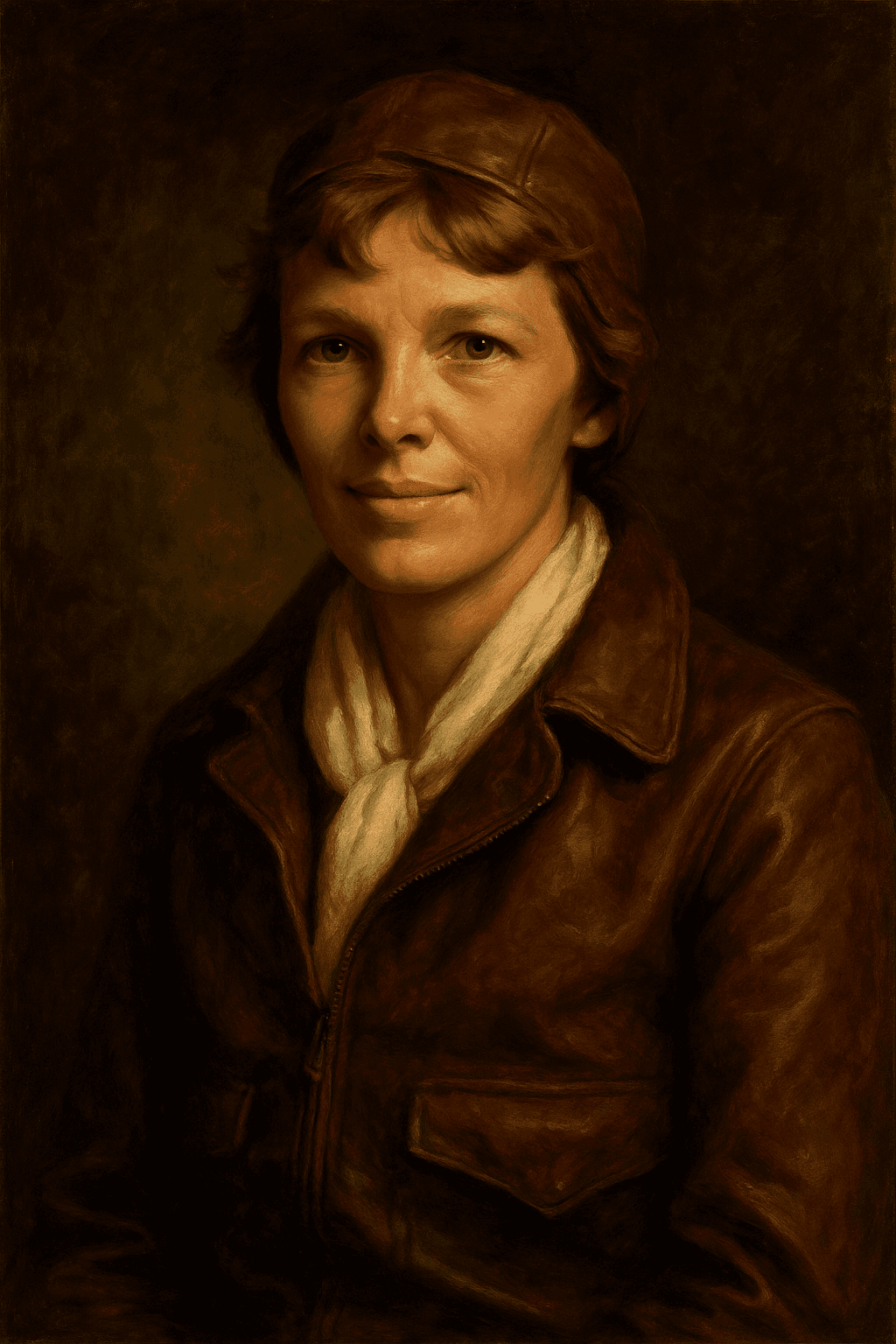
In the heavy heat of Lae, with the hardest leg of the flight ahead, a pilot who redefined what women could do writes what the headlines never captured.
1937 - Moscow (the Kremlin office, in the night)
Place story available
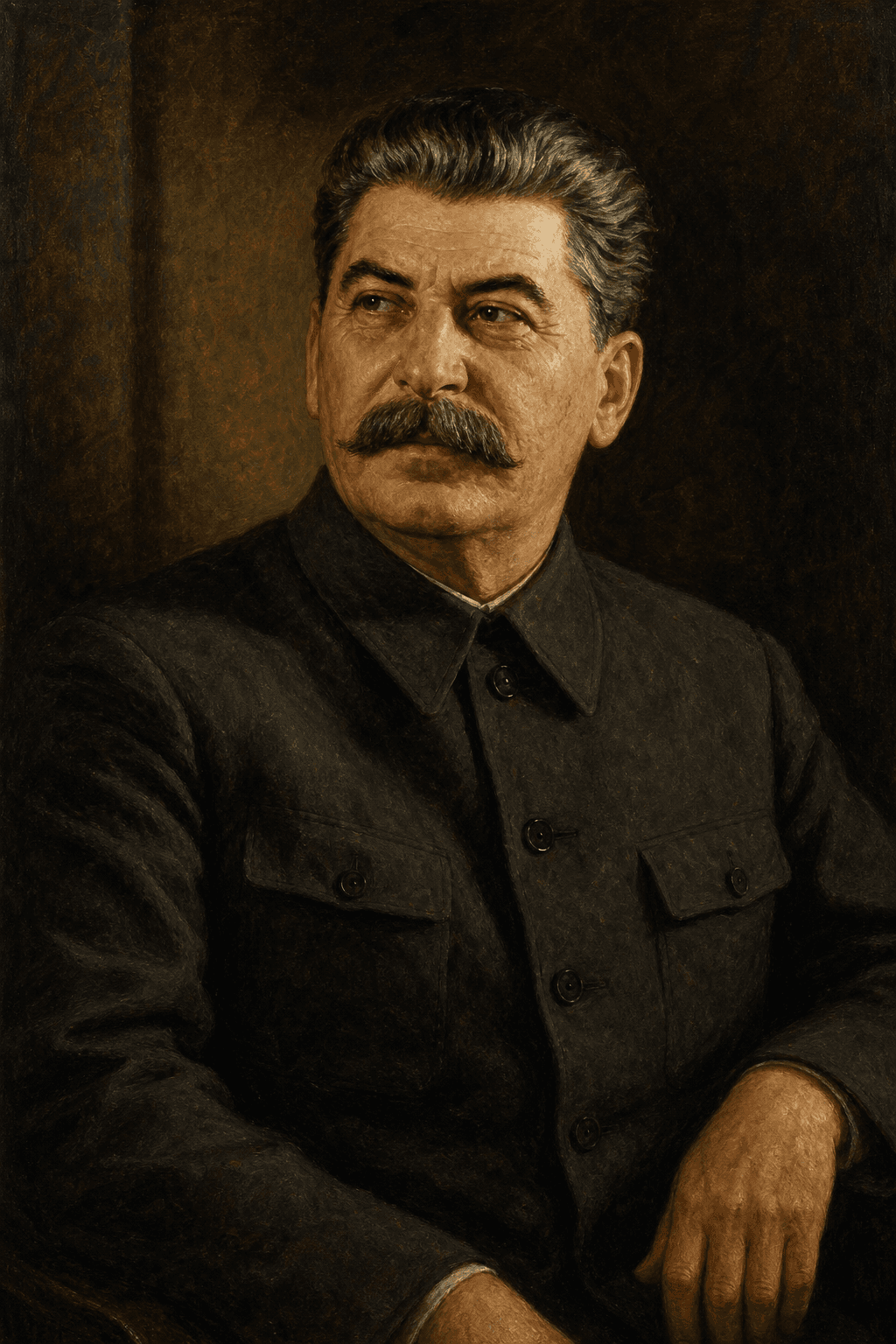
A ruler works through nightly lists of names marked for arrest, the camps, or execution, signing regional quotas as if approving production targets and reading confessions extracted under torture as administrative confirmations rather than as the manufactured fictions and the murders they are.
1942 - Germany / occupied Europe
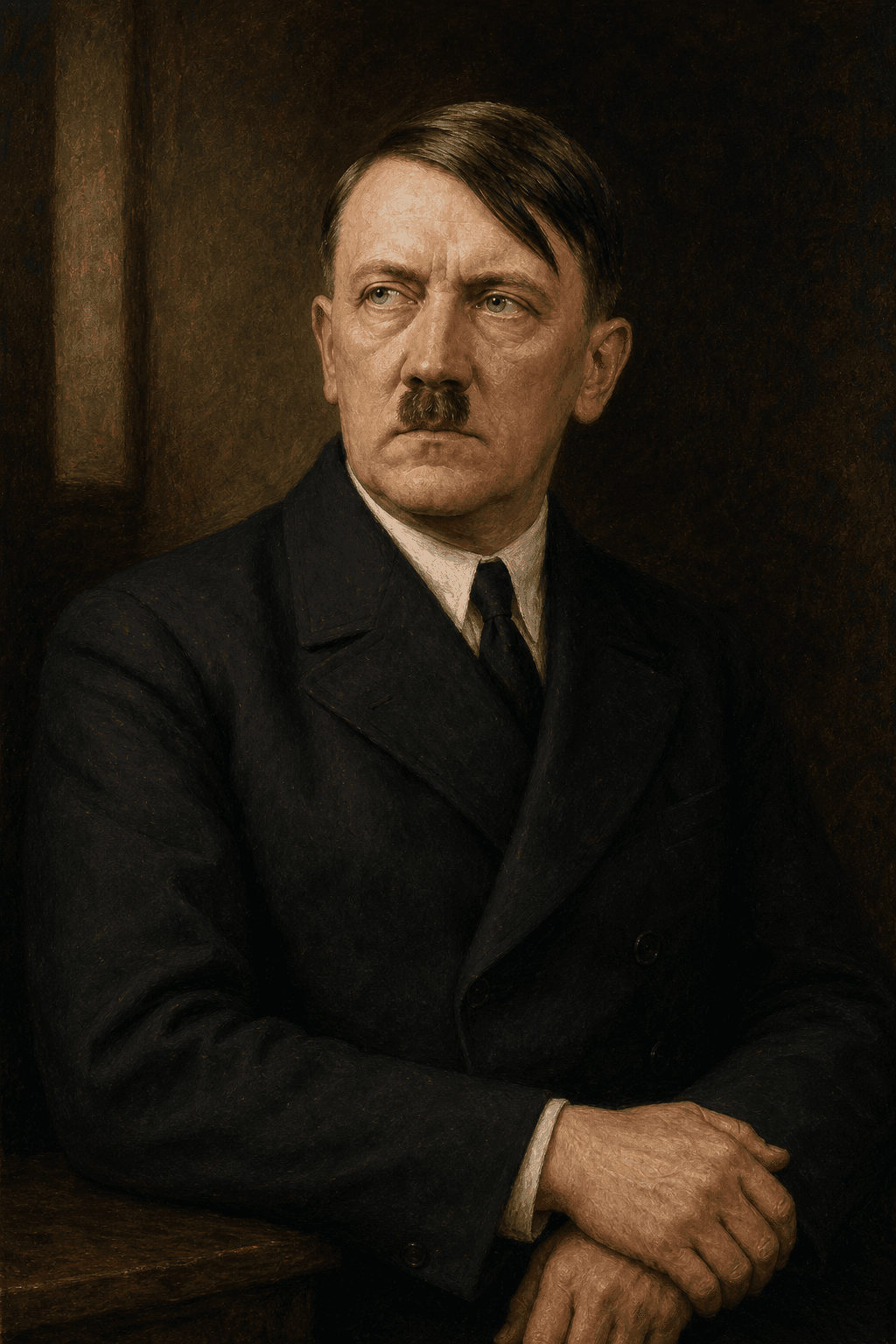
Germany, 1942.
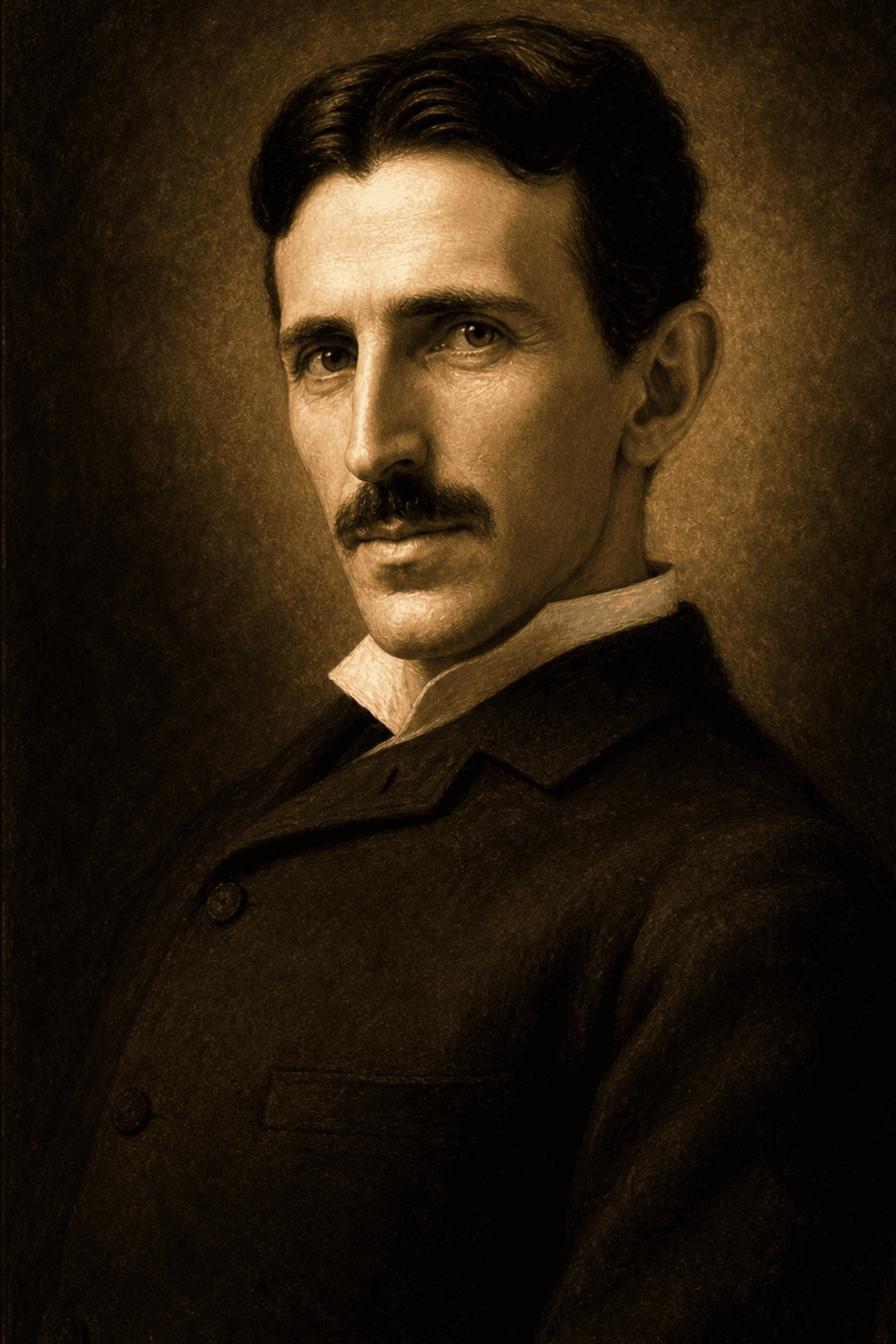
1942 - New Yorker Hotel, New York
Watched by maids, creditors, and memory alike, the inventor who lit the world reflects on the difference between vision and vindication.
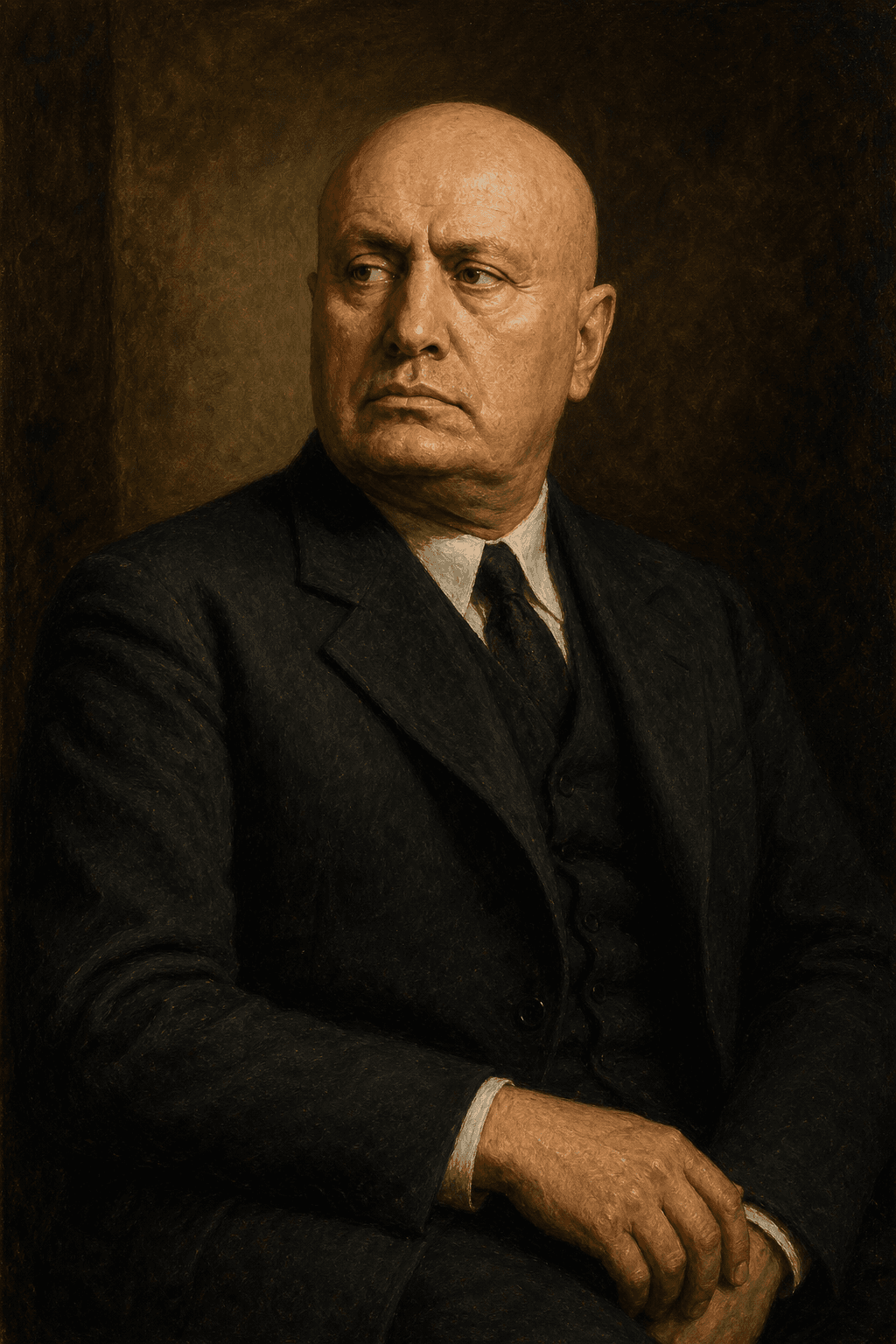
1944 - the Salò Republic (Lake Garda; the offices at Gargnano)
Place story available
A deposed dictator, reinstalled as figurehead of a puppet republic by the foreign power that rescued him, performs the rituals of authority he no longer holds, issuing decrees and communiqués into a regime that exists only as German-dependent theatre.
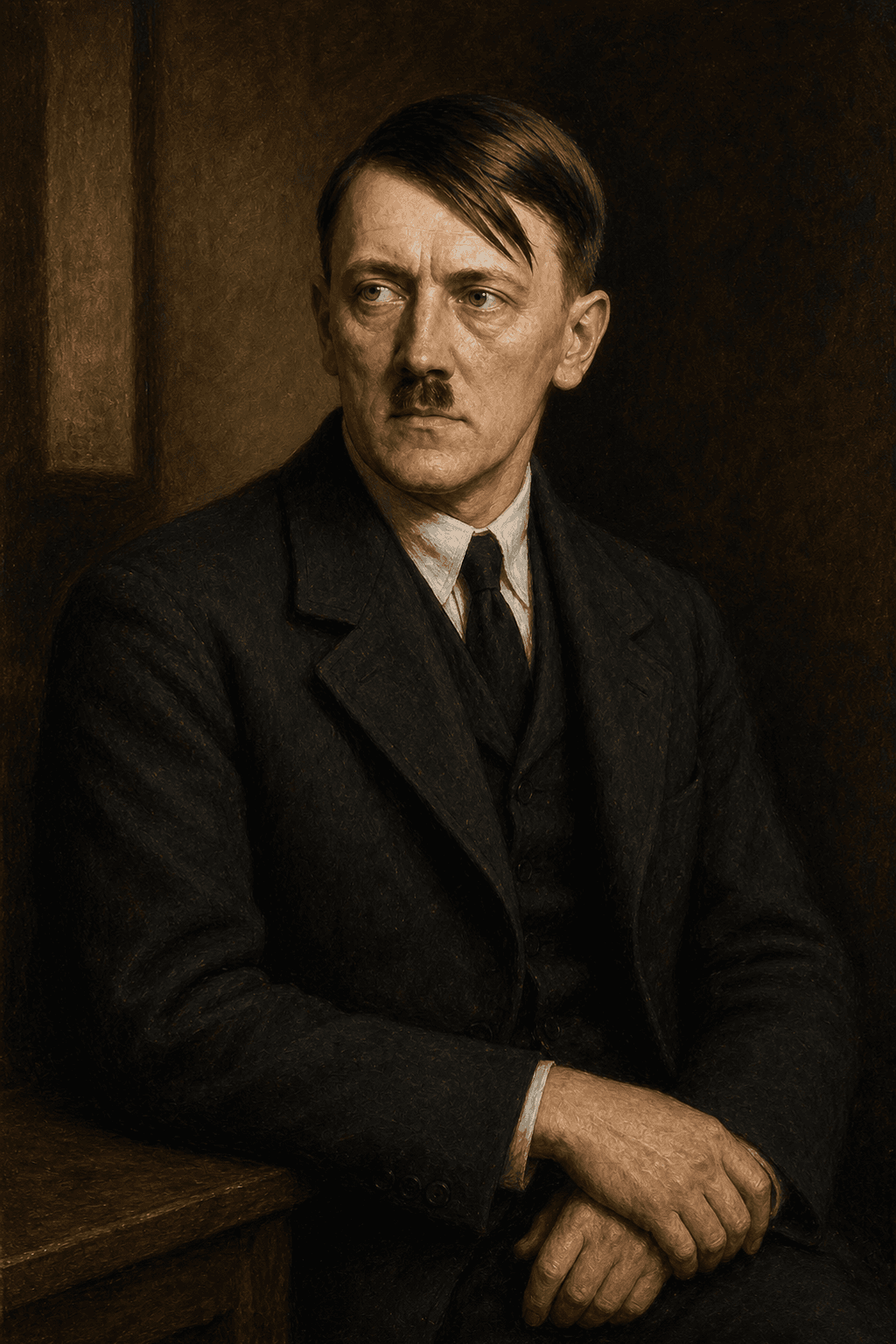
1945 - A sealed command bunker beneath the Reich Chancellery garden, Berlin, late April 1945 (the Führerbunker; the Soviet 1st Belorussian Front under Zhukov closing on the city centre; days before the figure's suicide on 30 April 1945).
Place story available
In a sealed command bunker beneath the Reich Chancellery garden in Berlin in late April 1945, with the Soviet armies closing on the city centre and the relief attack he ordered found not to have been made, the head of a collapsing state moves formations that no longer exist across a situation map, routes the catastrophe onto the treason of others, and goes on issuing the orders that are still killing above him.
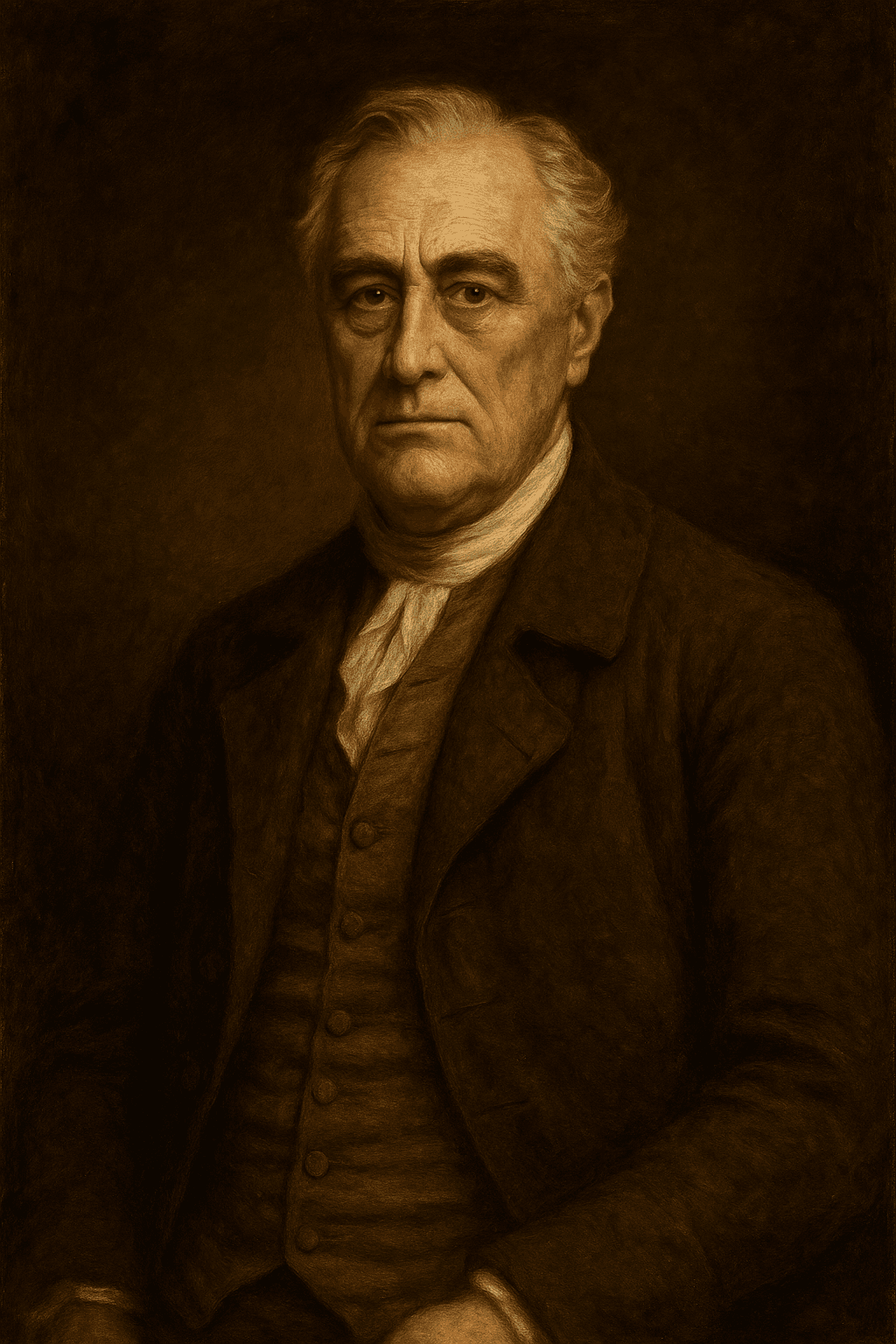
1945 - Warm Springs
Place story available
Concealed weakness, wartime reassurance, and the private cost of calm.
In the final weeks of the war, a president whose body has been failing for years faces the cost of leading from a wheelchair.
1947 - Dayton, Ohio
Place story available
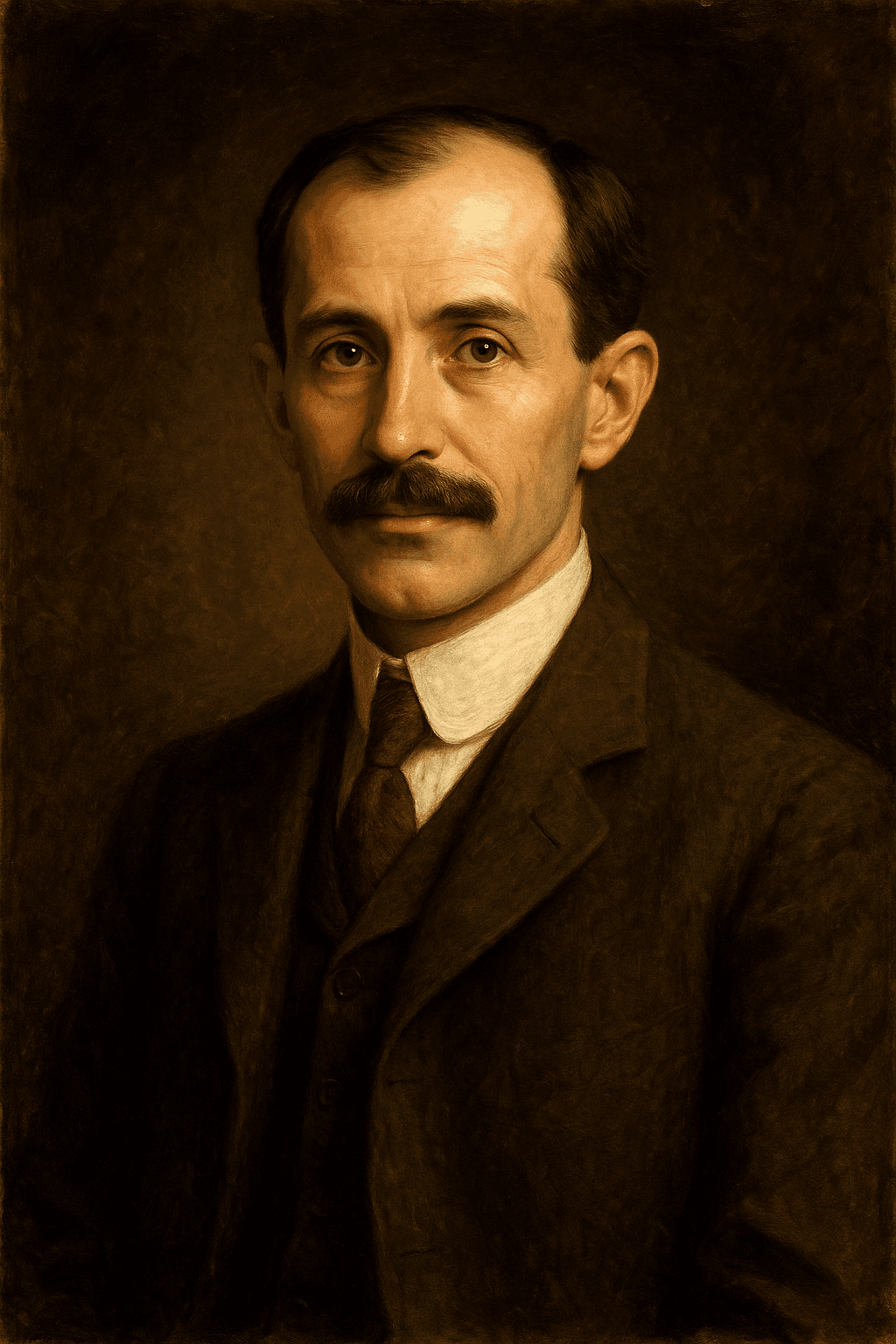
In Dayton, in rooms that have outlasted the century, the surviving Wright brother reflects on the twelve seconds that changed the world — and the decades of argument that followed.
1953 - the Kuntsevo dacha, outside Moscow
Place story available
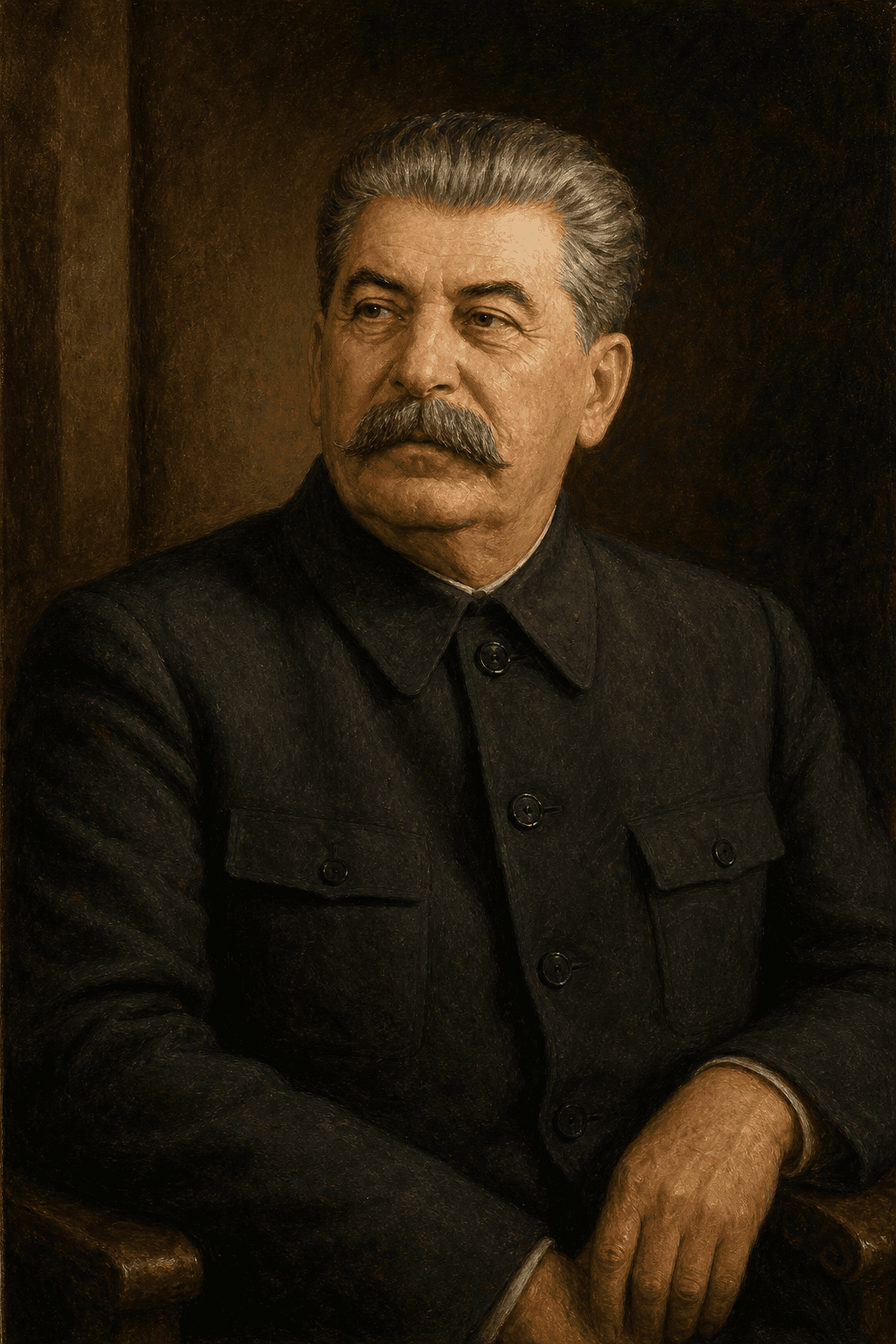
A ruler whose lifelong control ran through guards, secretaries, and doctors lies collapsed on the floor of his dacha while the apparatus of fear he built leaves the staff too frightened to enter or to summon help, the control-system turning fatally inward.
1955 - Hyde Park Gate, London
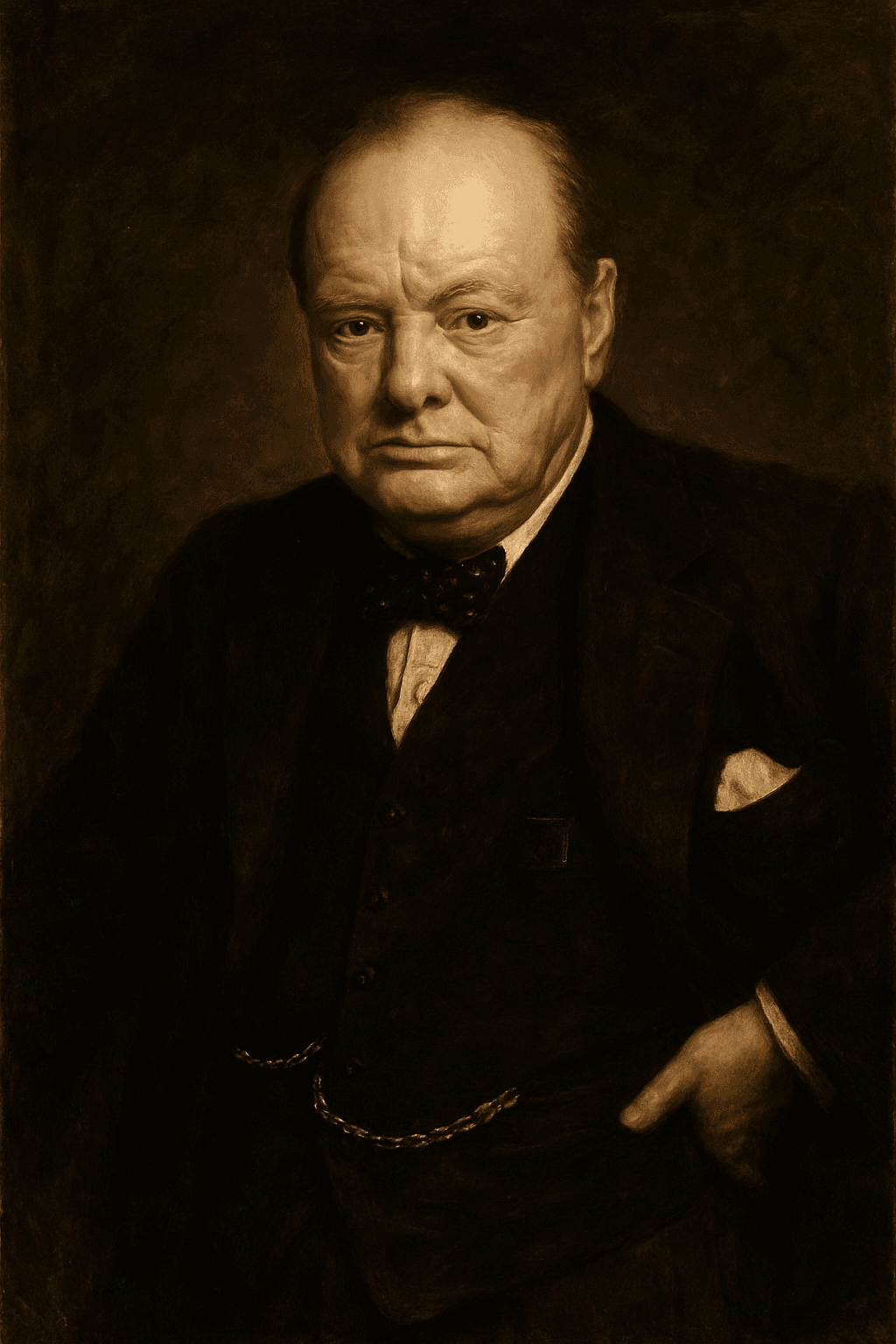
Victory, ageing power, and the fight to shape the peace.
After the war, after the applause, after the second stroke — a prime minister reckons with what victory actually cost.
1959 - the Beijing study at Zhongnanhai (the desk where the provincial production returns are read), in the months following the Lushan Conference
Place story available
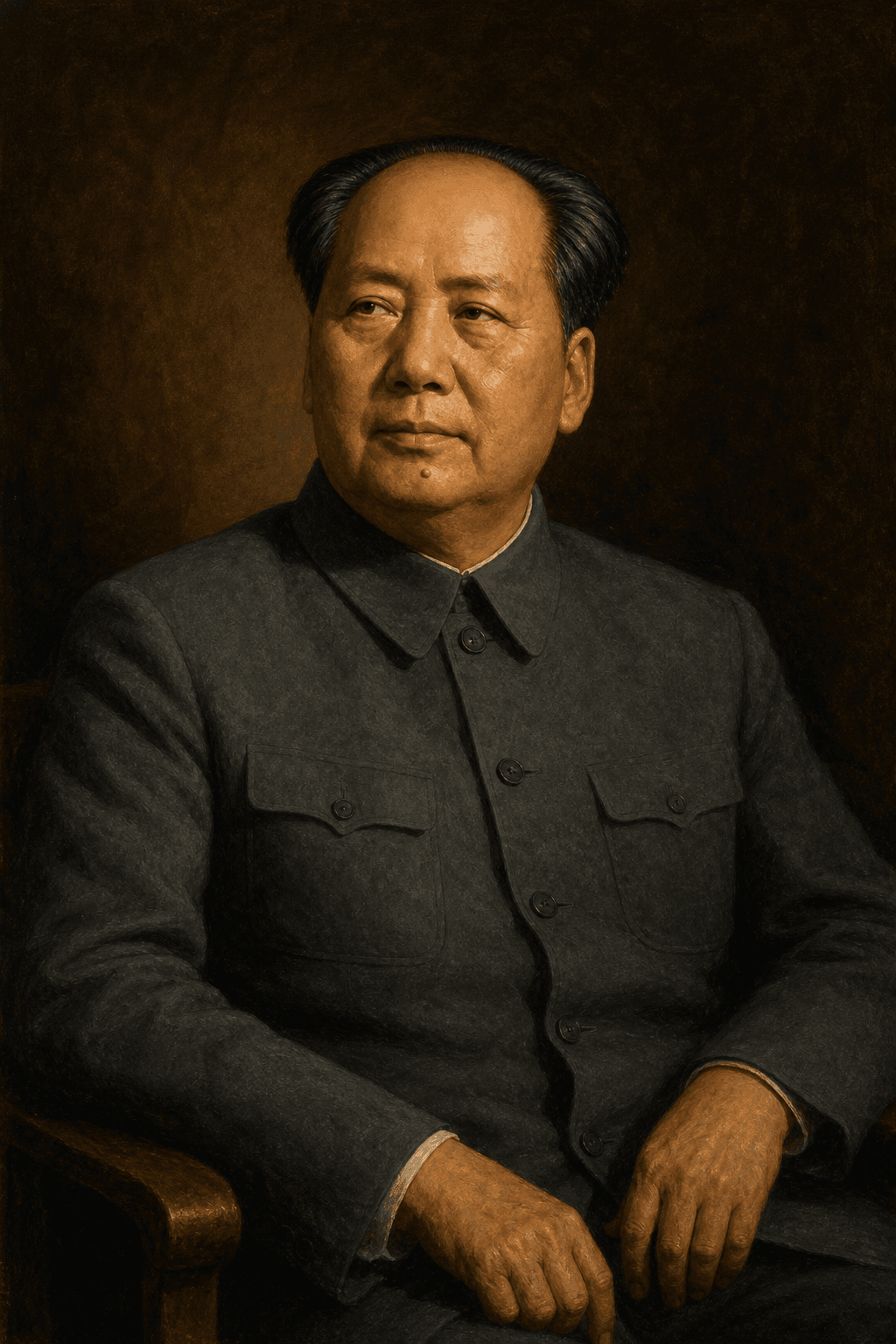
A chairman in his Beijing study reads the inflated production figures the provinces have learned to send up, treating reports manufactured to survive the recent purge of Peng Dehuai as administrative confirmation that the policy is working, while the state requisition apparatus takes grain at the reported rate from villages in Xinyang prefecture and elsewhere where the families are already starving.
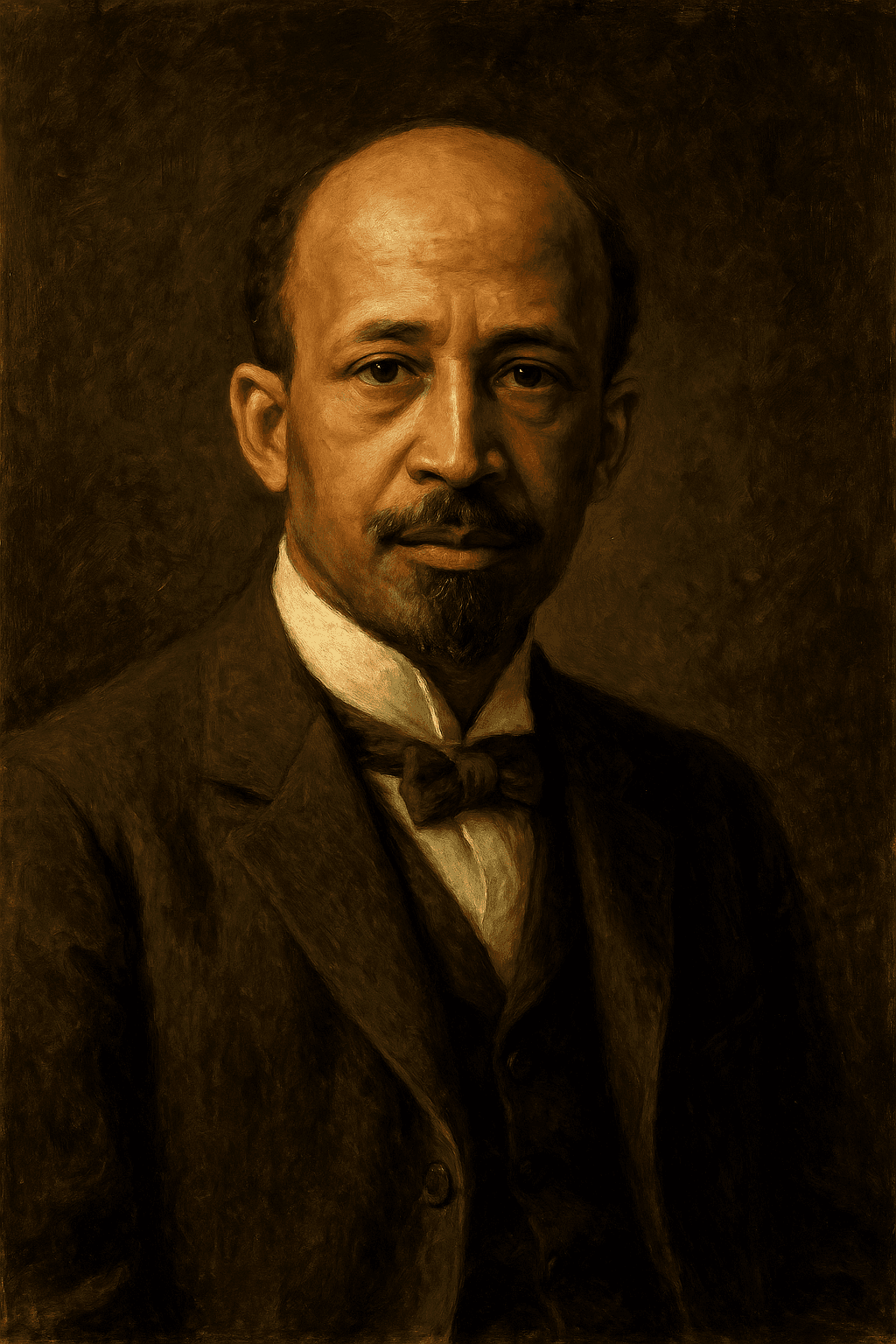
1961 - Accra
Place story available
In Accra, an intellectual who spent a lifetime fighting for Black America explains why he left the country he tried to save.
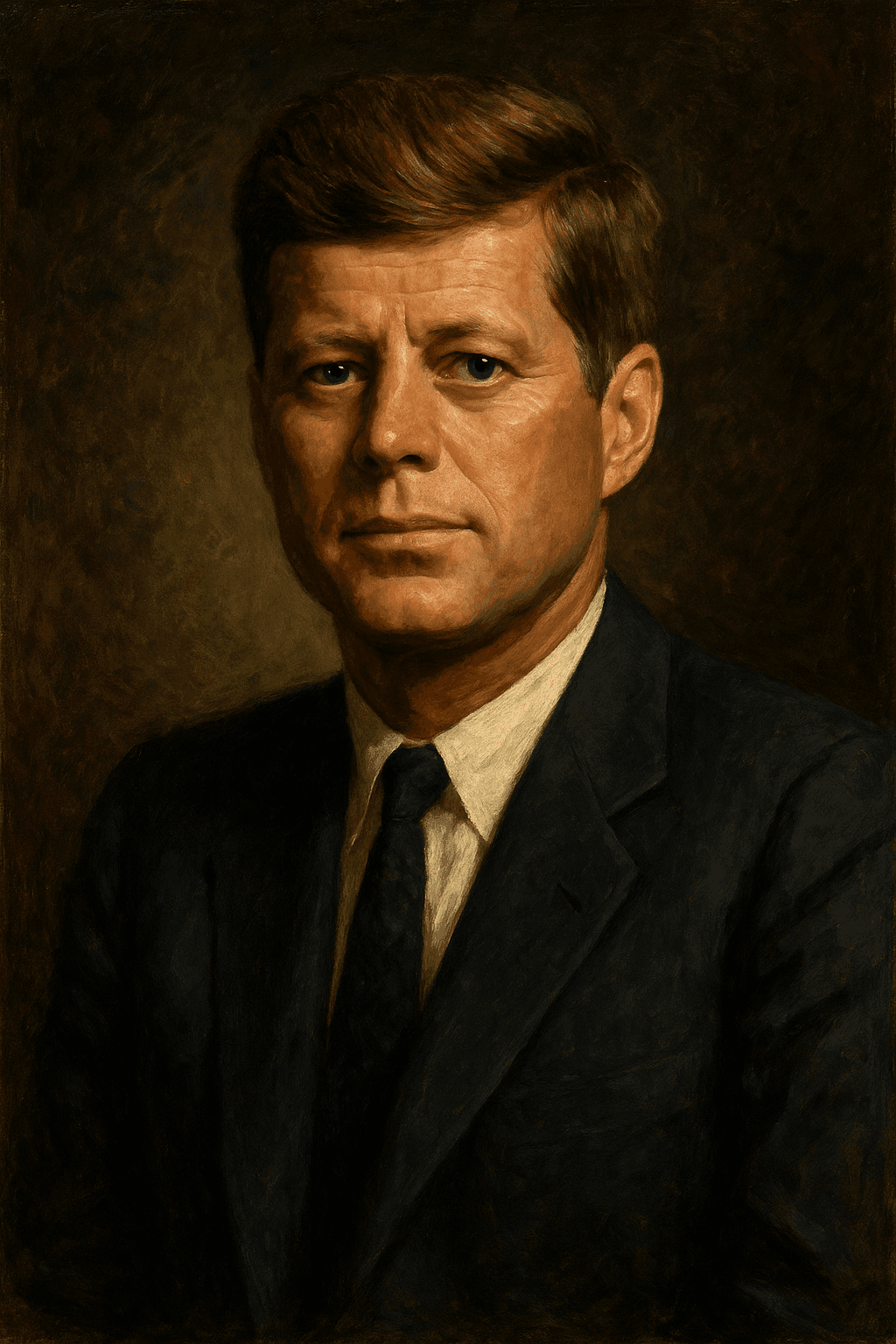
1963 - White House
Place story available
Pain management, speed, and mythmaking around youthful command.
In the White House, between pain and intelligence briefings, a president writes what the cameras were never allowed to see.
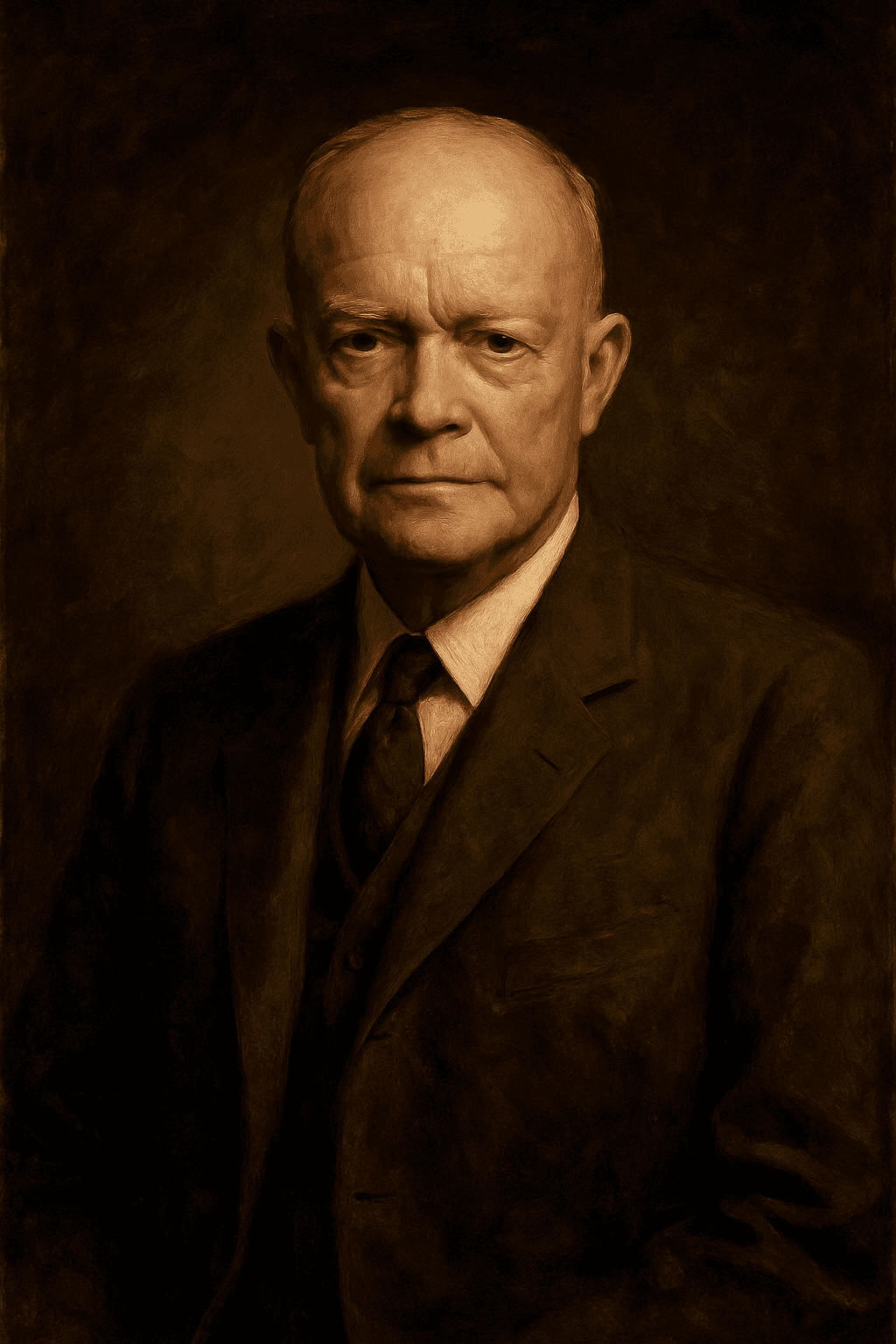
1968 - Gettysburg, Pennsylvania
Place story available
Order, fatigue, and the afterlife of command in a disordered republic.
On his farm in Gettysburg, a general who commanded the liberation of Europe reflects on the wars that followed.
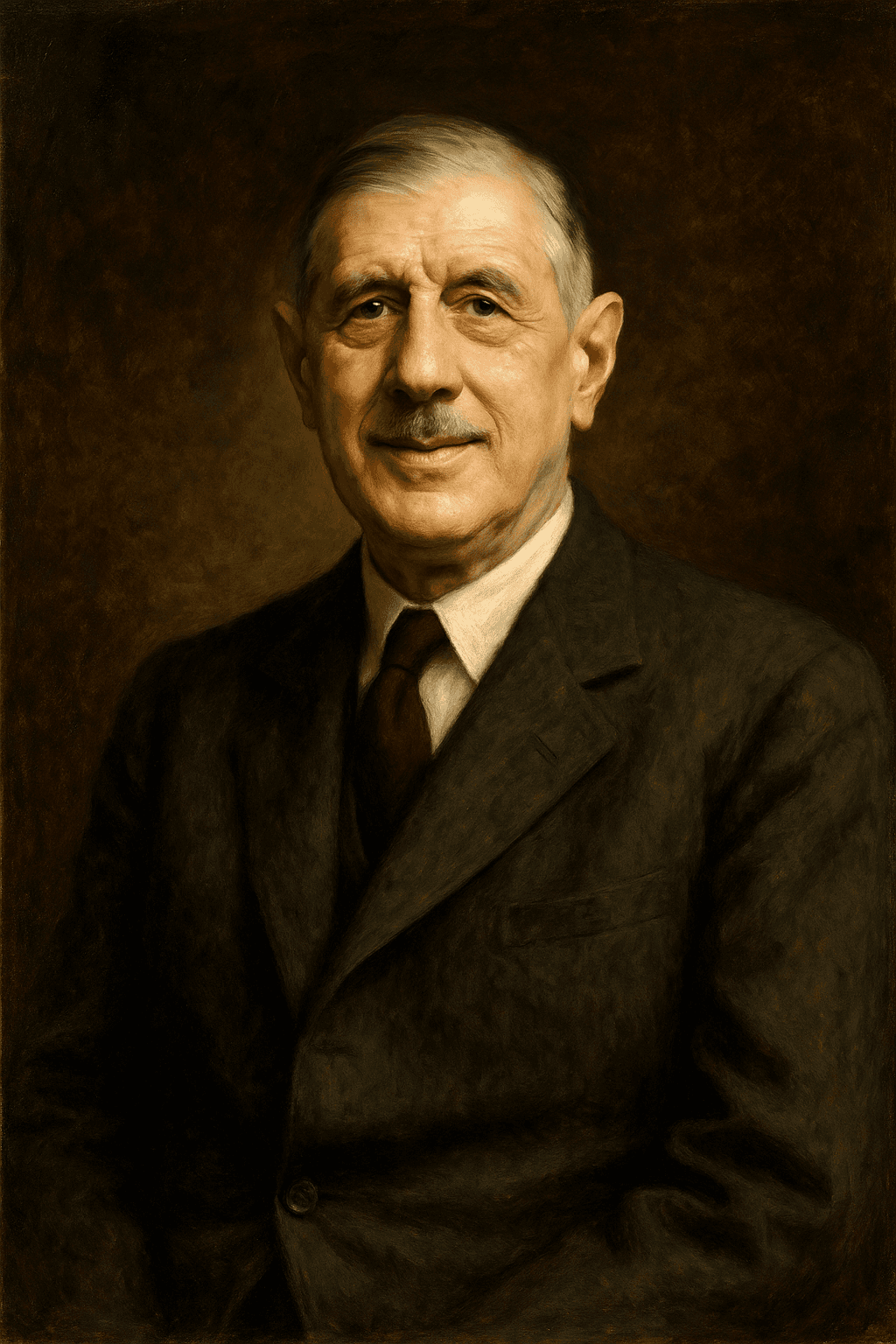
1969 - Colombey-les-Deux-Eglises
Place story available
Rejection, national embodiment, and the politics of post-power simplification.
At Colombey, having walked away from power a second time, a general asks whether France understood what he tried to build.
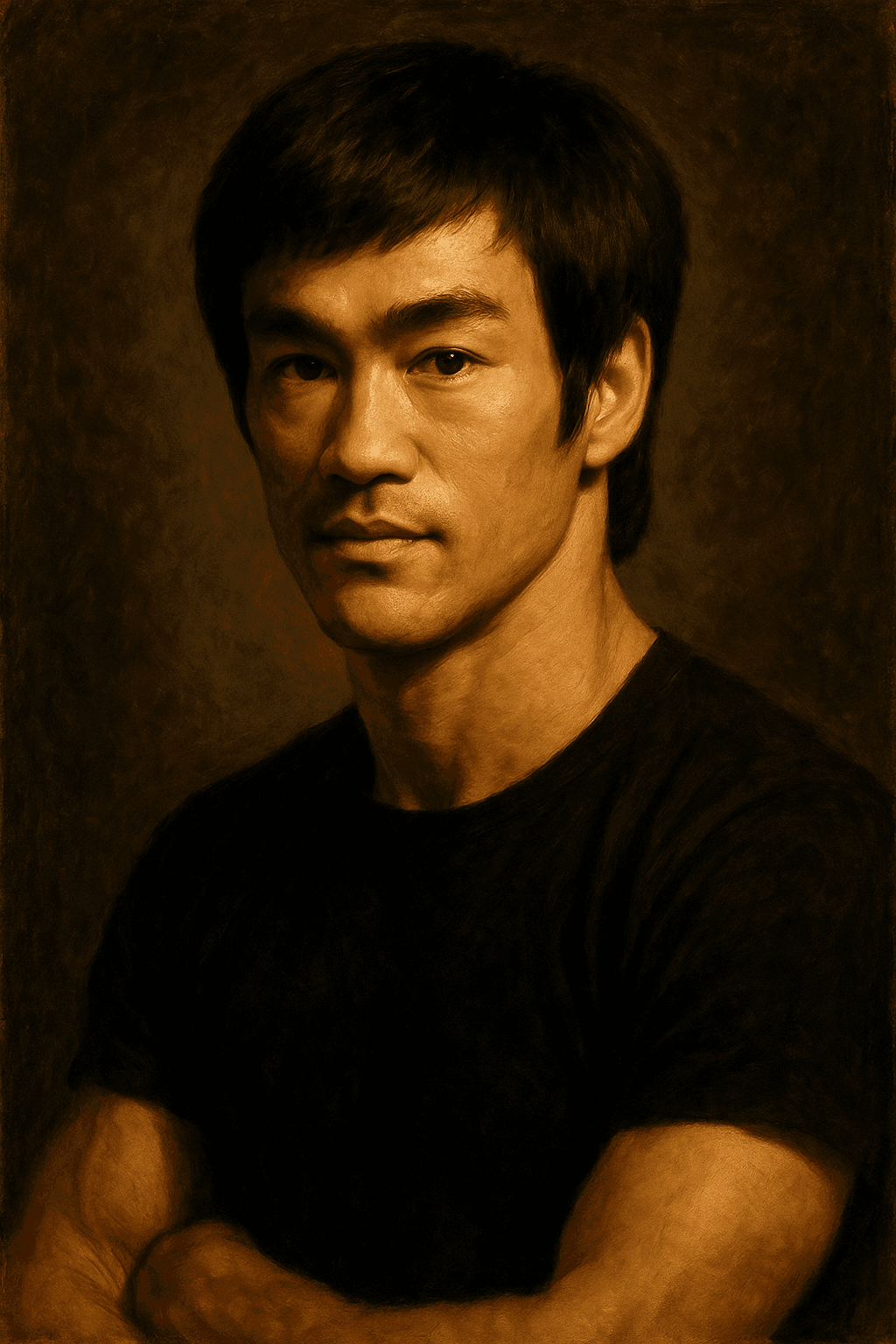
1973 - Hong Kong (Golden Harvest studios, Kowloon)
Place story available
Raymond has the morning's call sheet at the editing bay and the choreographer's apprentice is at the small stage with the third pickup's blocking, and I keep my hand on the storyboard because if Raymond sees the headache at the level of yesterday's storyboard he will postpone the third pickup to Friday, and the third pickup is the pickup Game of Death's nunchaku sequence requires before the Friday's stage call.
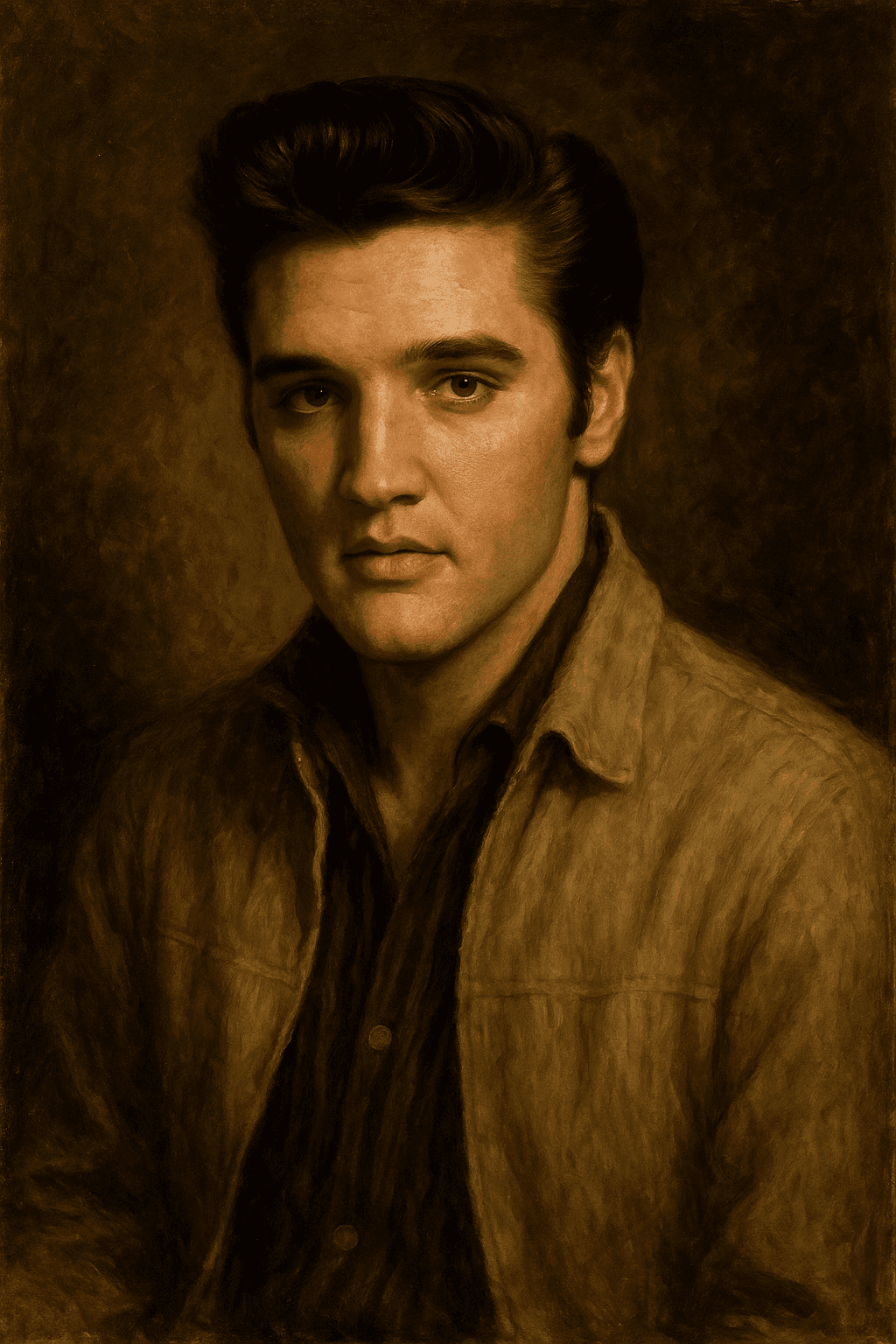
1977 - Graceland
Place story available
In the upstairs office at Graceland with the curtains drawn against the Memphis heat and Lisa Marie somewhere down in the house, I am setting my own account down on a yellow legal pad in the days before the tour opens in Portland, Maine on the seventeenth of August, still certain that the voice and the show will answer when I call them the way they always have, even as the body slows under me and the house closes in around the certainty.
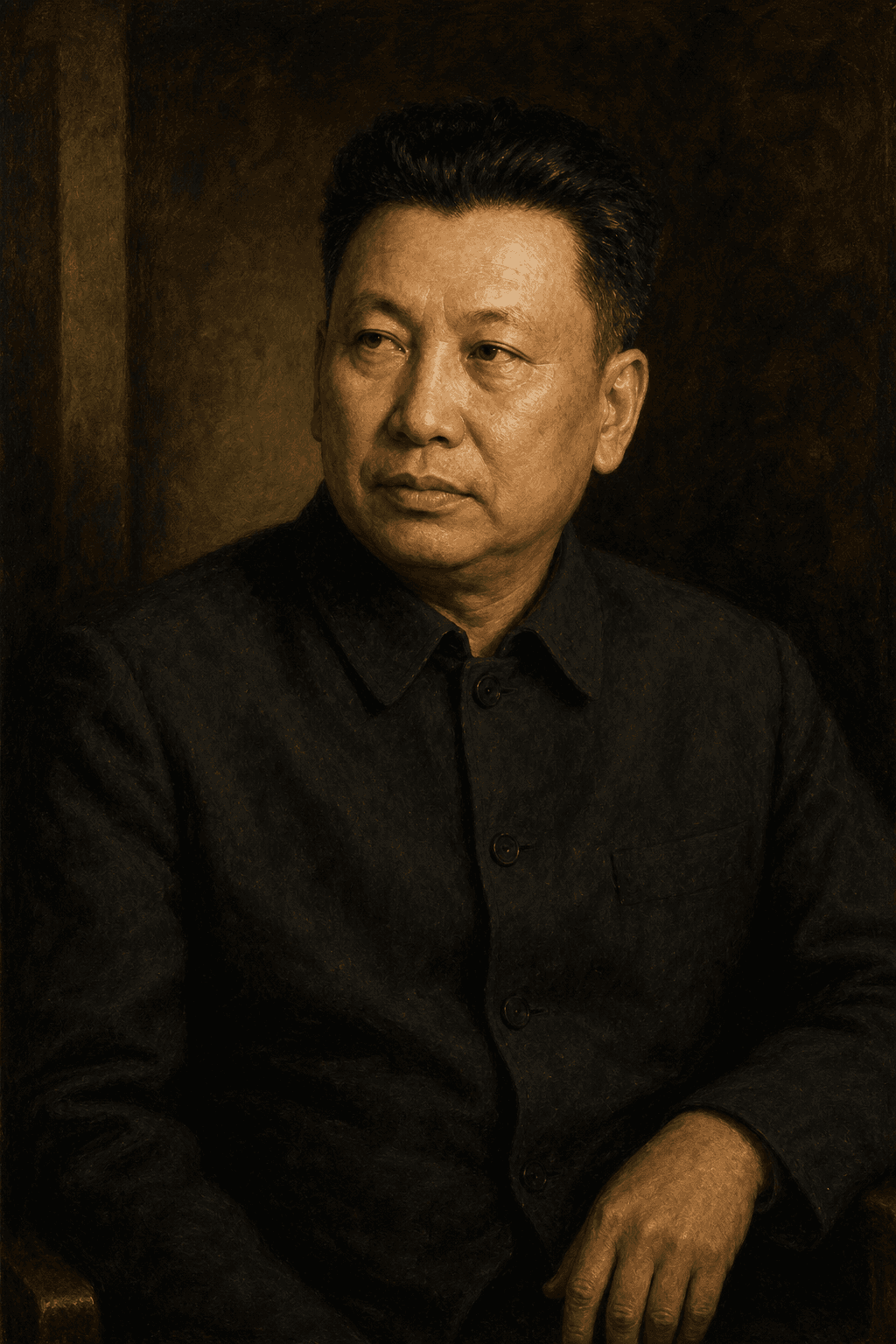
1977 - a concealed leadership compound in Phnom Penh (K-1 or K-3, autumn 1977; the figure operates under the name Pol Pot through Angkar, without public identification)
Place story available
A revolutionary operating under the concealed identity of Pol Pot reads the confession lists produced at S-21, treating names supplied under torture as administrative confirmation that the doctrine of category elimination must continue and that the party itself must be purged of the colleagues the manufactured confessions have just named.

1991 - London (Garden Lodge, 1 Logan Place, Kensington)
Place story available
Mary has the morning's Garden Lodge accounts at the small table by the door and Jim is at the lower kitchen with the afternoon's instructions for the cat-staff, and I keep my hand on the EMI press statement because if Mary sees the statement before the press release's hour is settled with Roxy Meade Mary will telephone Brian and Roger before the press release's first paragraph is at the EMI office's printer, and the first paragraph is the paragraph Brian and Roger are to read in the morning paper and not in Mary's voice.
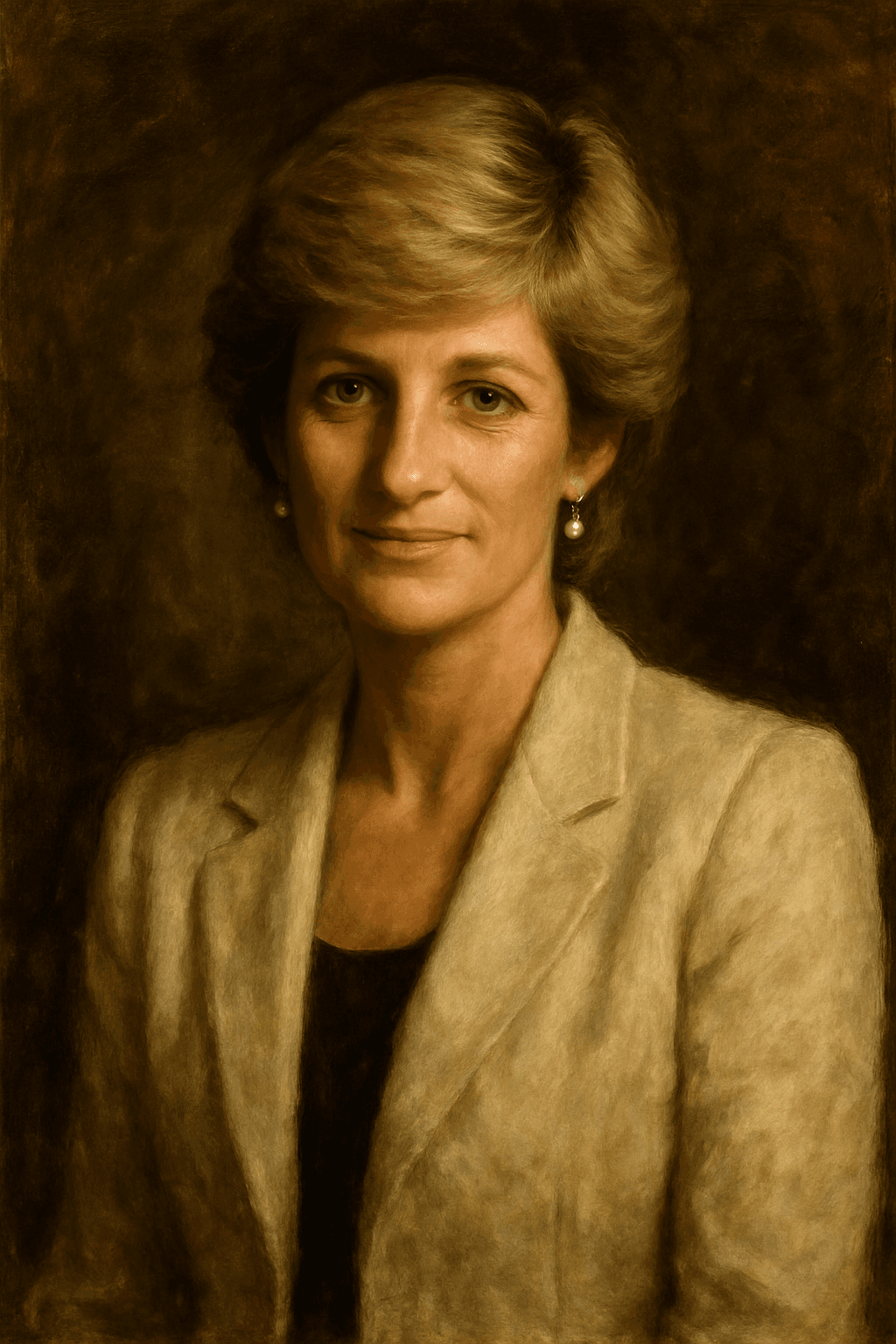
1996 - Kensington Palace
Place story available
In the small writing room at the back of Apartment Eight, three days after the divorce was made absolute and the letter from the Queen?s office removing my style of Her Royal Highness went into the drawer of my mother?s old desk, I am setting down my own account of myself, on plain paper, while I still can, before the version of me being assembled in rooms I am not in finishes replacing the one I can still recognise as mine.
1922 - Rue Rabelais, Paris
science-and-discovery
A contrasting life shaped by science and discovery.
In his ninetieth year on the Rue Rabelais, the builder of the tower that defined Paris reflects on the difference between monuments and memory.
Open this life