Featured life
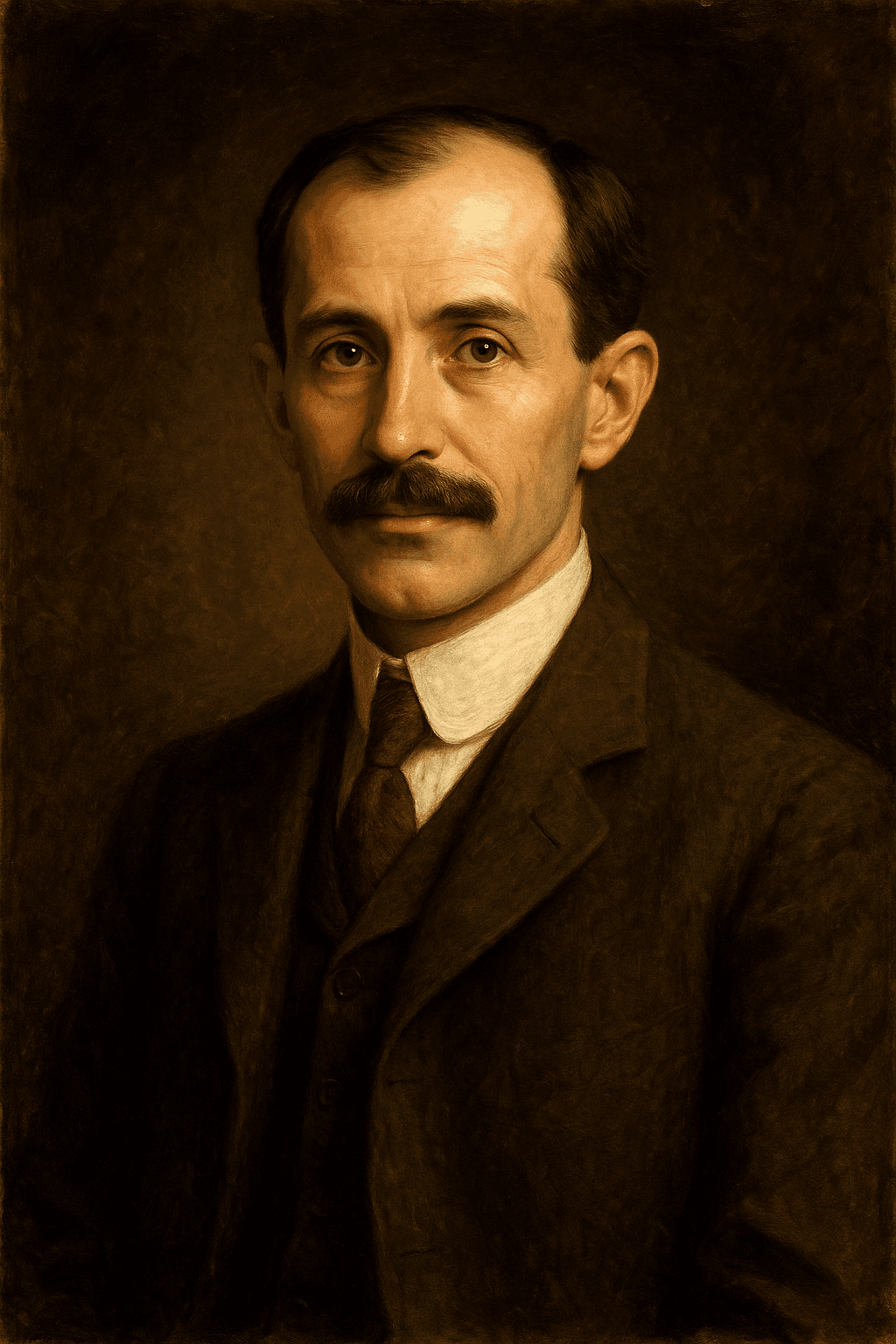
Orville Wright
1947 - Dayton, Ohio
In Dayton, in rooms that have outlasted the century, the surviving Wright brother reflects on the twelve seconds that changed the world — and the decades of argument that followed.
Open this life
By time
Choose a stretch of time, meet the people gathered there, and move outward through the places that held them.
Current period
1946 to 2036 opens onto 13 lives, 8 place stories, and 1 named historical windows.
Lives in this period
These are the clearest lives to open first when you want a person, not a date label, to lead you into the period.
1947 - Dayton, Ohio
In Dayton, in rooms that have outlasted the century, the surviving Wright brother reflects on the twelve seconds that changed the world — and the decades of argument that followed.
Open this life
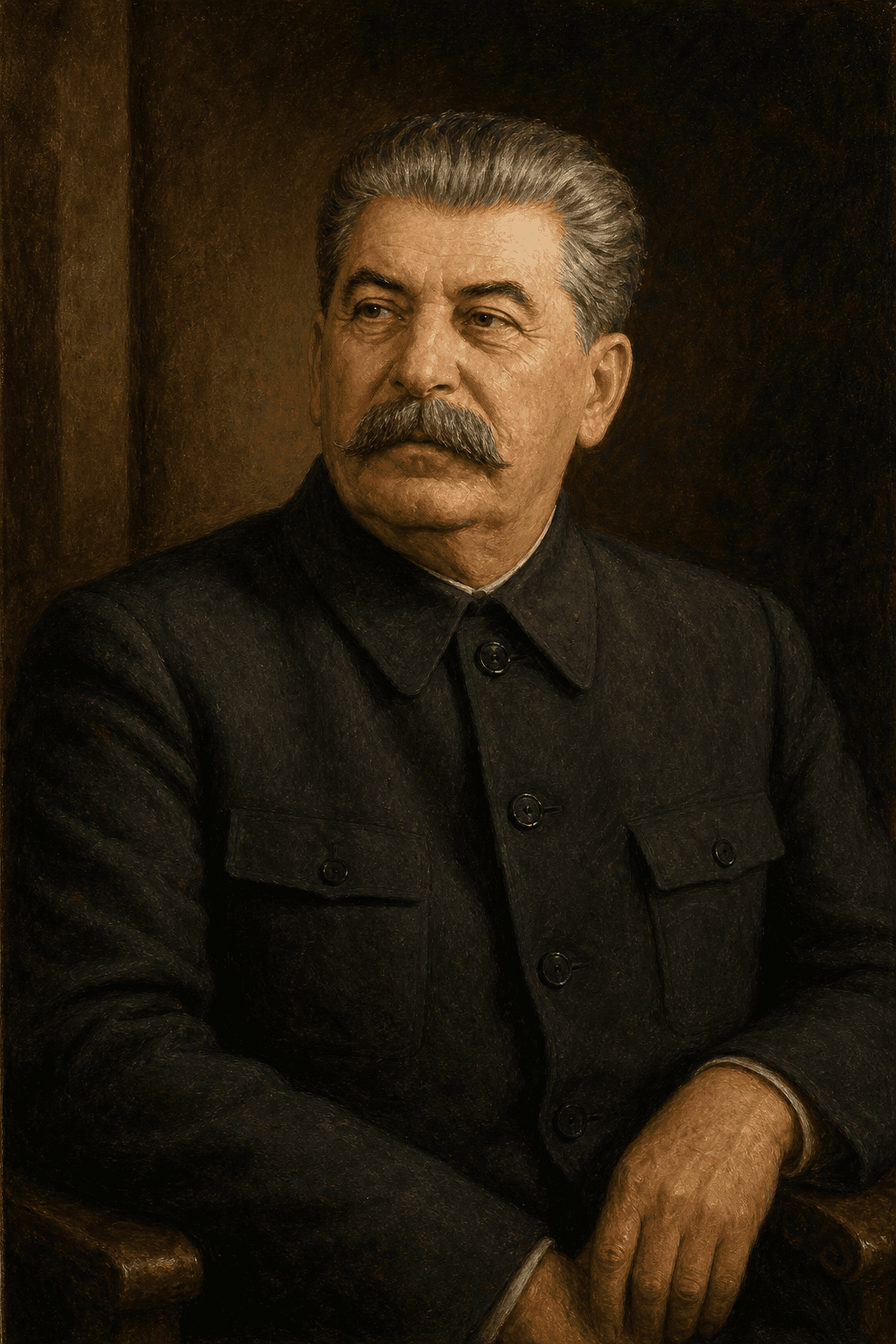
1953 - the Kuntsevo dacha, outside Moscow
A ruler whose lifelong control ran through guards, secretaries, and doctors lies collapsed on the floor of his dacha while the apparatus of fear he built leaves the staff too frightened to enter or to summon help, the control-system turning fatally inward.
Open this life
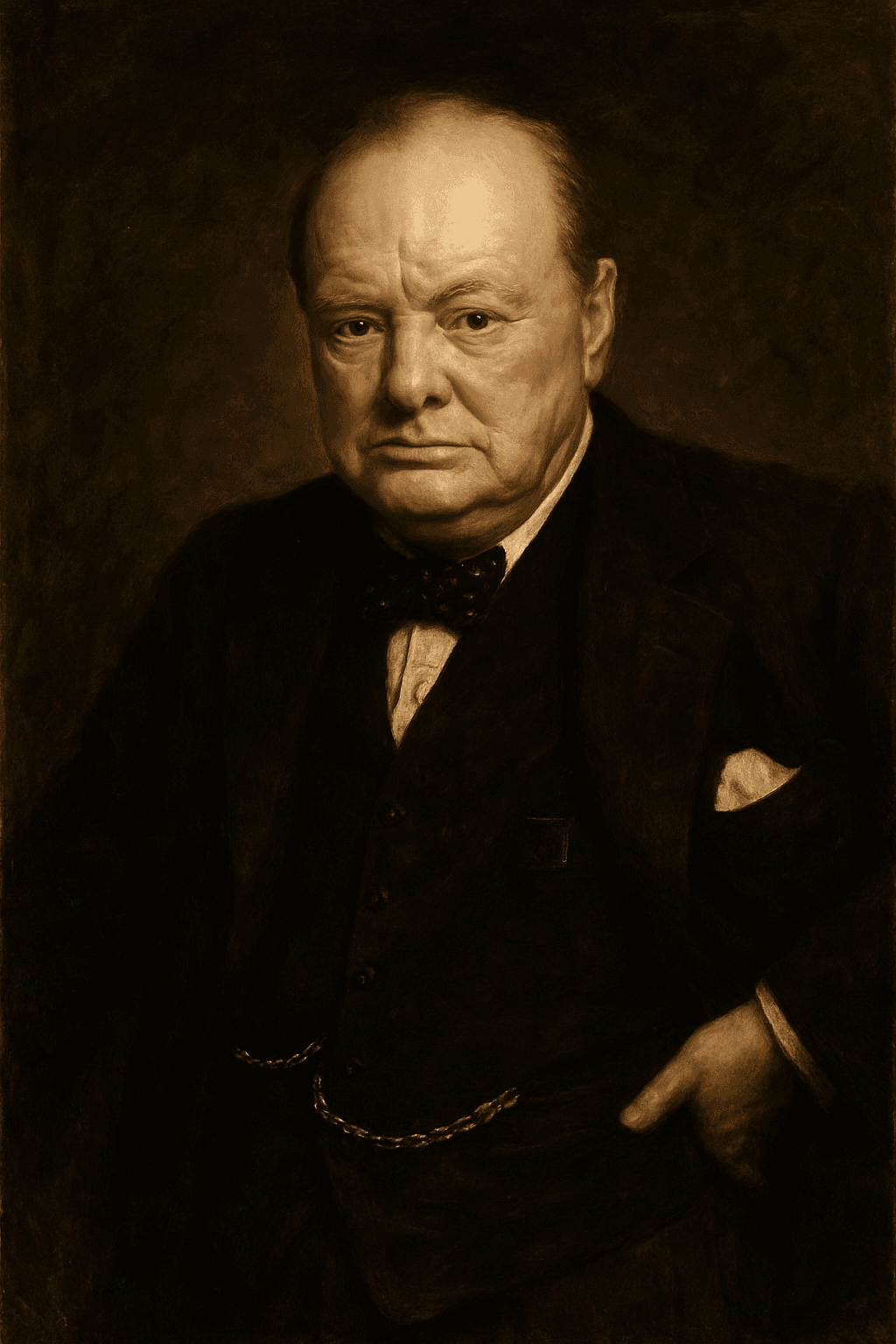
1955 - Hyde Park Gate, London
Victory, ageing power, and the fight to shape the peace.
After the war, after the applause, after the second stroke — a prime minister reckons with what victory actually cost.
Open this life
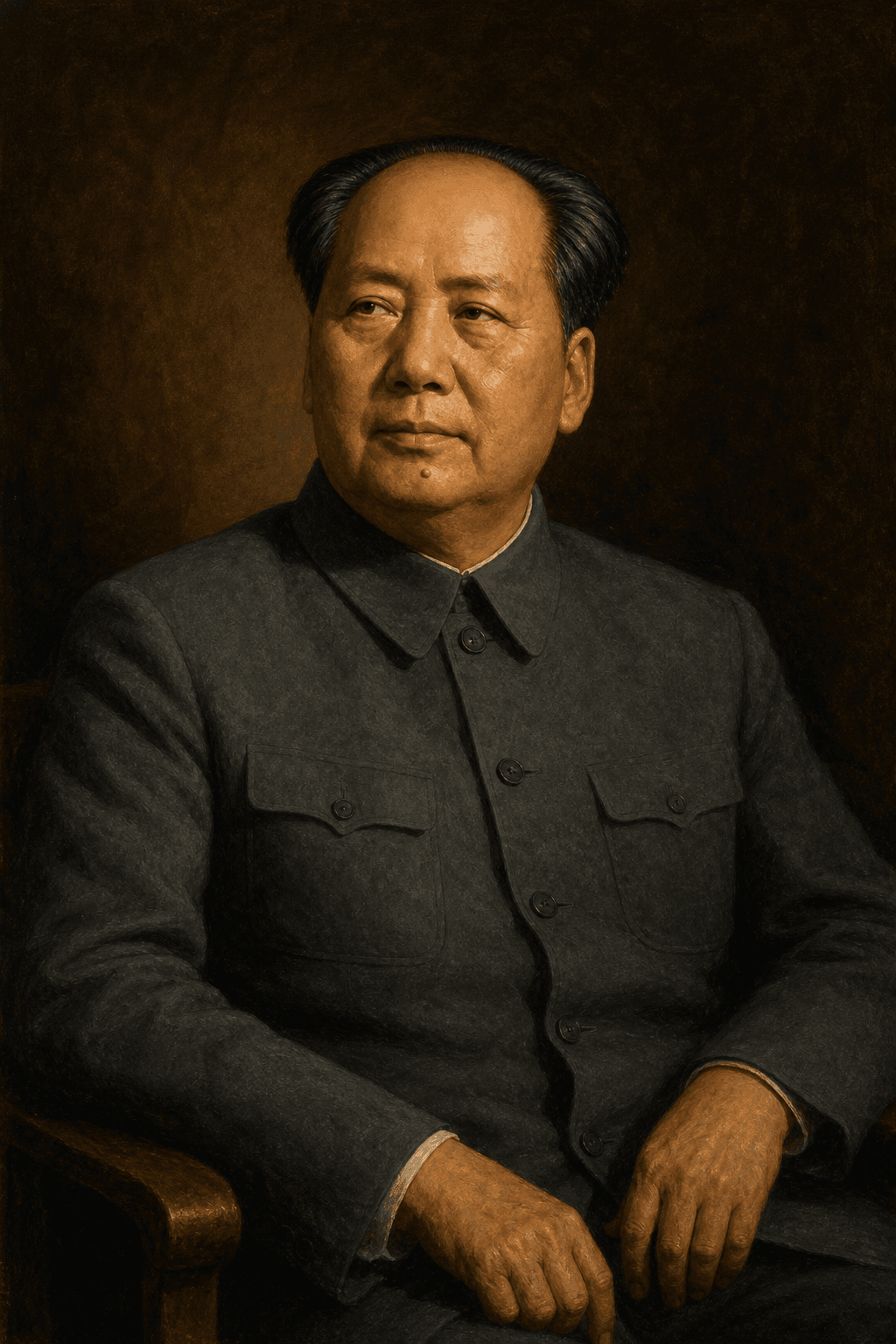
1959 - the Beijing study at Zhongnanhai (the desk where the provincial production returns are read), in the months following the Lushan Conference
A chairman in his Beijing study reads the inflated production figures the provinces have learned to send up, treating reports manufactured to survive the recent purge of Peng Dehuai as administrative confirmation that the policy is working, while the state requisition apparatus takes grain at the reported rate from villages in Xinyang prefecture and elsewhere where the families are already starving.
Open this life
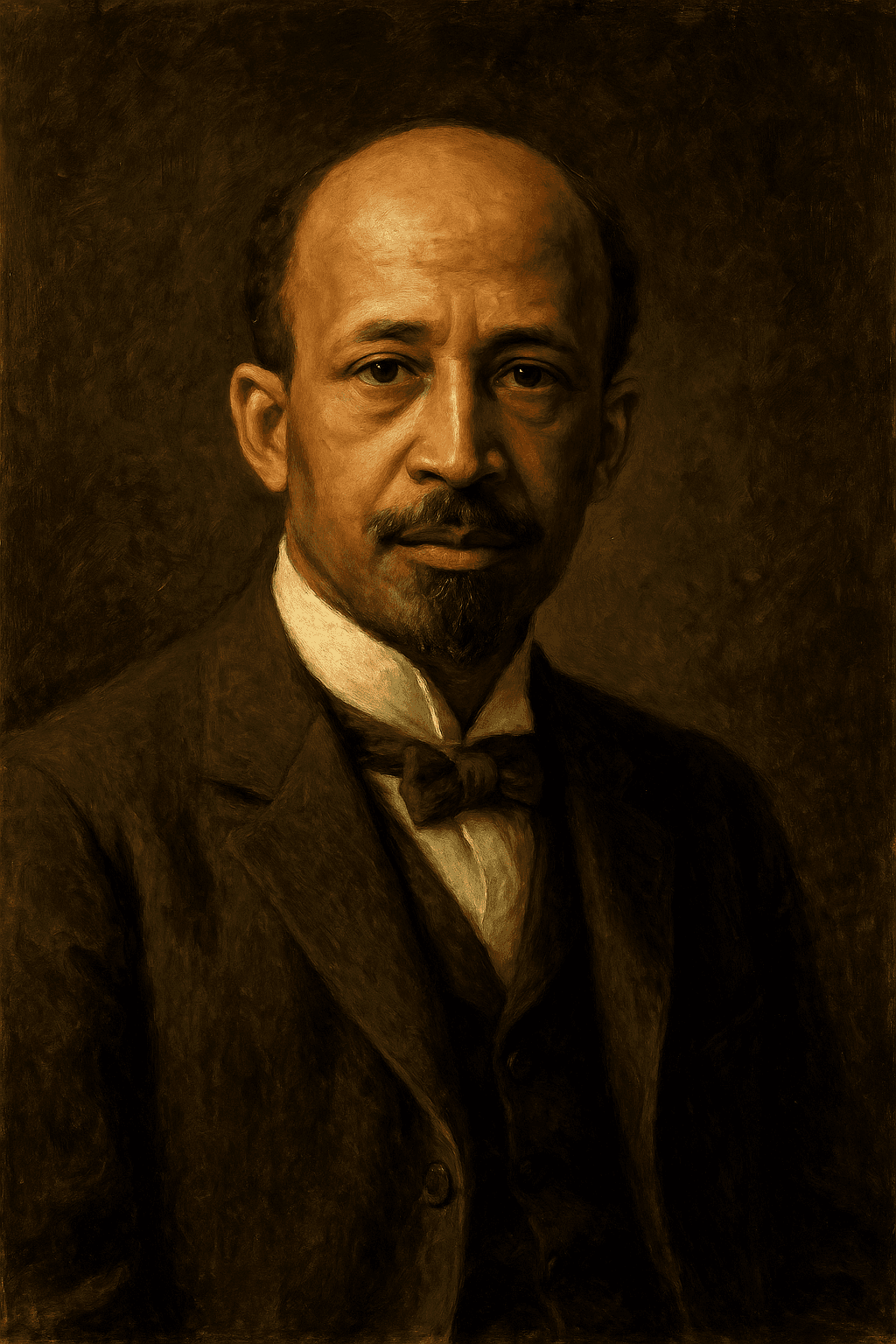
1961 - Accra
In Accra, an intellectual who spent a lifetime fighting for Black America explains why he left the country he tried to save.
Open this life
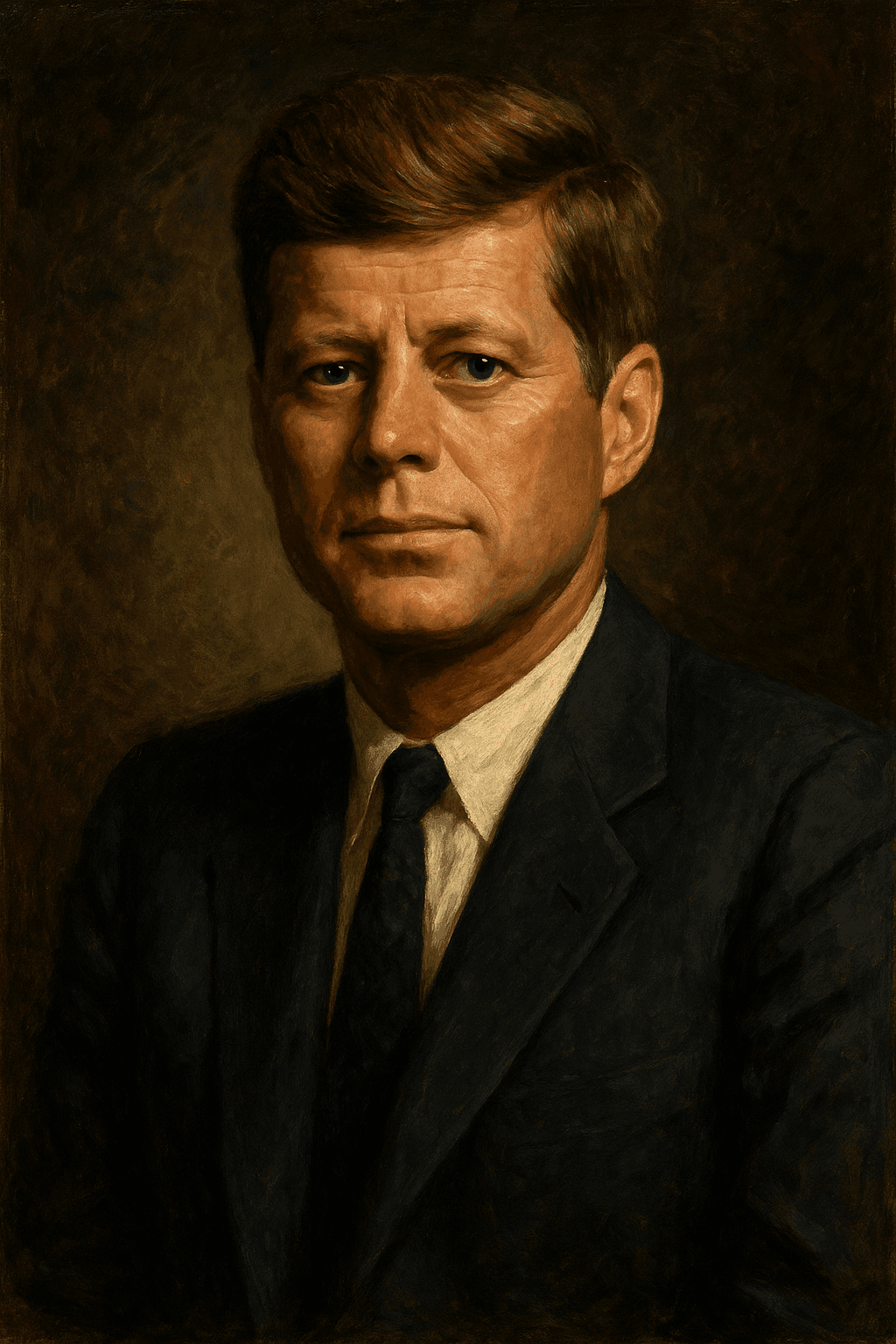
1963 - White House
Pain management, speed, and mythmaking around youthful command.
In the White House, between pain and intelligence briefings, a president writes what the cameras were never allowed to see.
Open this life
Places inside this time
In 1946 to 2036, use the same years to move from chronology into cities, courts, islands, and regions that already carry deeper context.
Alive in this timeline around 1947 / story span 1890s-1947
Connected to 1 life including Orville Wright.
Enter this place
Alive in this timeline around 1953 / story span 1953
Connected to 1 life including Joseph Stalin.
Enter this place
Named windows
1 windows to step into
Modern
1914 to 1980
The century of ideology, media power, and private lives lived at full public scale.
33 lives visible here
26 place stories active in the same years
Enter this periodTime travel
1946 CE to 2036 CE
Time controls
Change the span without losing your route back into the lives and places already visible in this period.
8 place stories are visible in this time window.
Chronology
Move year by year, compare one life with the next, and open a person directly when the route becomes clear.
1947 - Dayton, Ohio
Place story available
In Dayton, in rooms that have outlasted the century, the surviving Wright brother reflects on the twelve seconds that changed the world — and the decades of argument that followed.
Alive in this timeline around 1959 / story span 1959
Connected to 1 life including Mao Zedong.
Enter this place
1946 to 2036 across the atlas
1947 - Dayton, Ohio
1953 - the Kuntsevo dacha, outside Moscow
1955 - Hyde Park Gate, London
1959 - the Beijing study at Zhongnanhai (the desk where the provincial production returns are read), in the months following the Lushan Conference
Decades
1953 - the Kuntsevo dacha, outside Moscow
Place story available
A ruler whose lifelong control ran through guards, secretaries, and doctors lies collapsed on the floor of his dacha while the apparatus of fear he built leaves the staff too frightened to enter or to summon help, the control-system turning fatally inward.
1955 - Hyde Park Gate, London
Victory, ageing power, and the fight to shape the peace.
After the war, after the applause, after the second stroke — a prime minister reckons with what victory actually cost.
1959 - the Beijing study at Zhongnanhai (the desk where the provincial production returns are read), in the months following the Lushan Conference
Place story available
A chairman in his Beijing study reads the inflated production figures the provinces have learned to send up, treating reports manufactured to survive the recent purge of Peng Dehuai as administrative confirmation that the policy is working, while the state requisition apparatus takes grain at the reported rate from villages in Xinyang prefecture and elsewhere where the families are already starving.
1961 - Accra
Place story available
In Accra, an intellectual who spent a lifetime fighting for Black America explains why he left the country he tried to save.
1963 - White House
Place story available
Pain management, speed, and mythmaking around youthful command.
In the White House, between pain and intelligence briefings, a president writes what the cameras were never allowed to see.
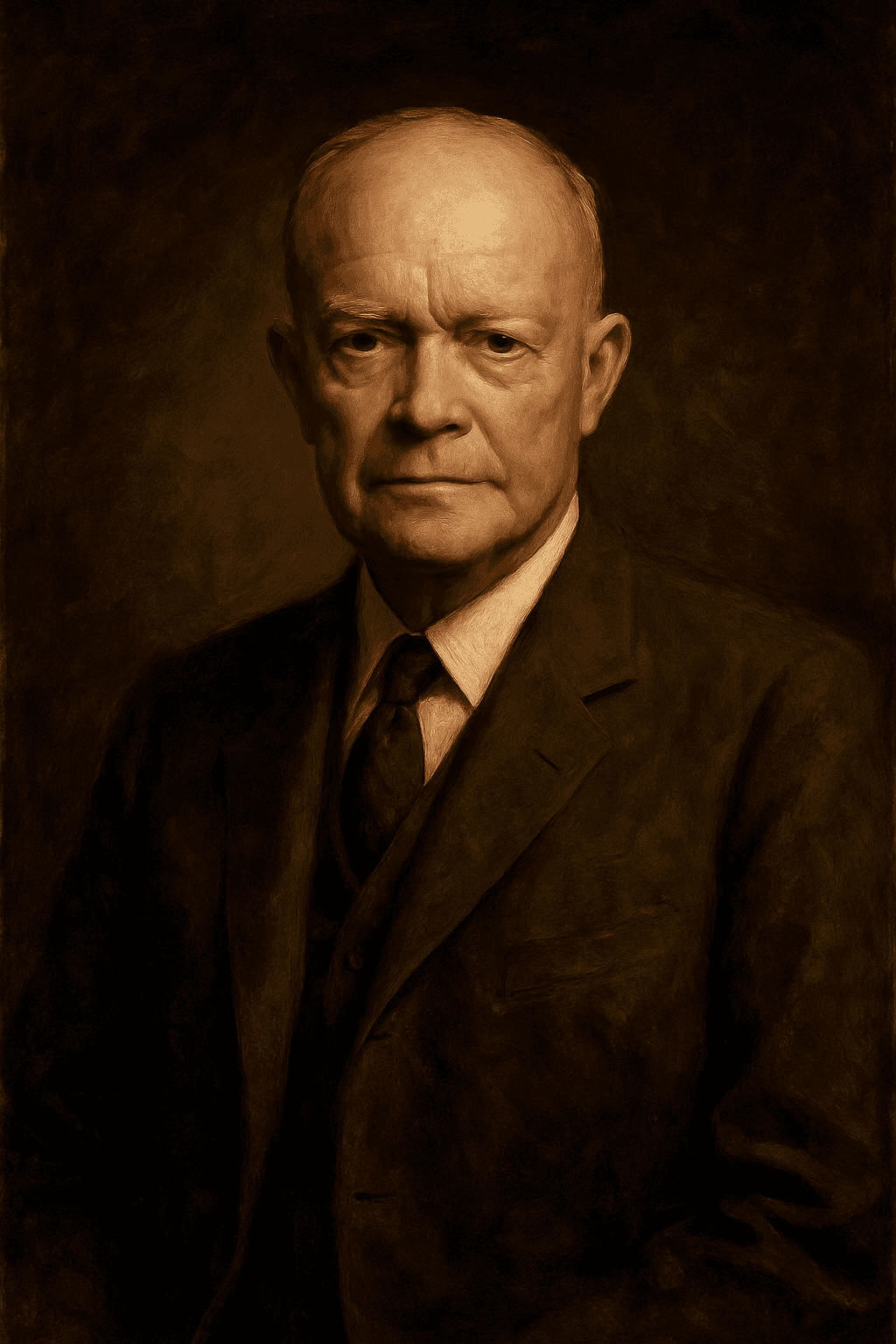
1968 - Gettysburg, Pennsylvania
Place story available
Order, fatigue, and the afterlife of command in a disordered republic.
On his farm in Gettysburg, a general who commanded the liberation of Europe reflects on the wars that followed.
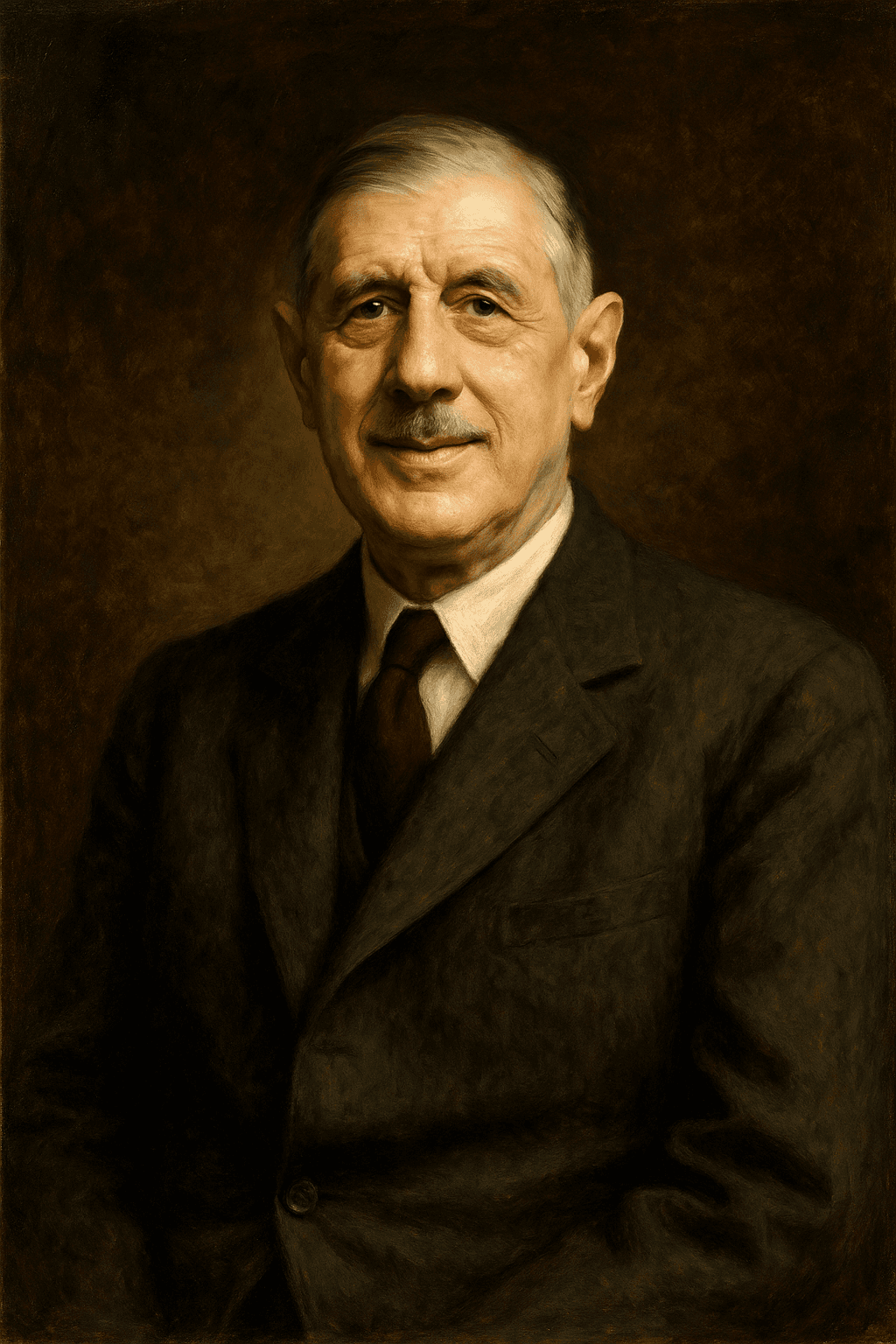
1969 - Colombey-les-Deux-Eglises
Place story available
Rejection, national embodiment, and the politics of post-power simplification.
At Colombey, having walked away from power a second time, a general asks whether France understood what he tried to build.
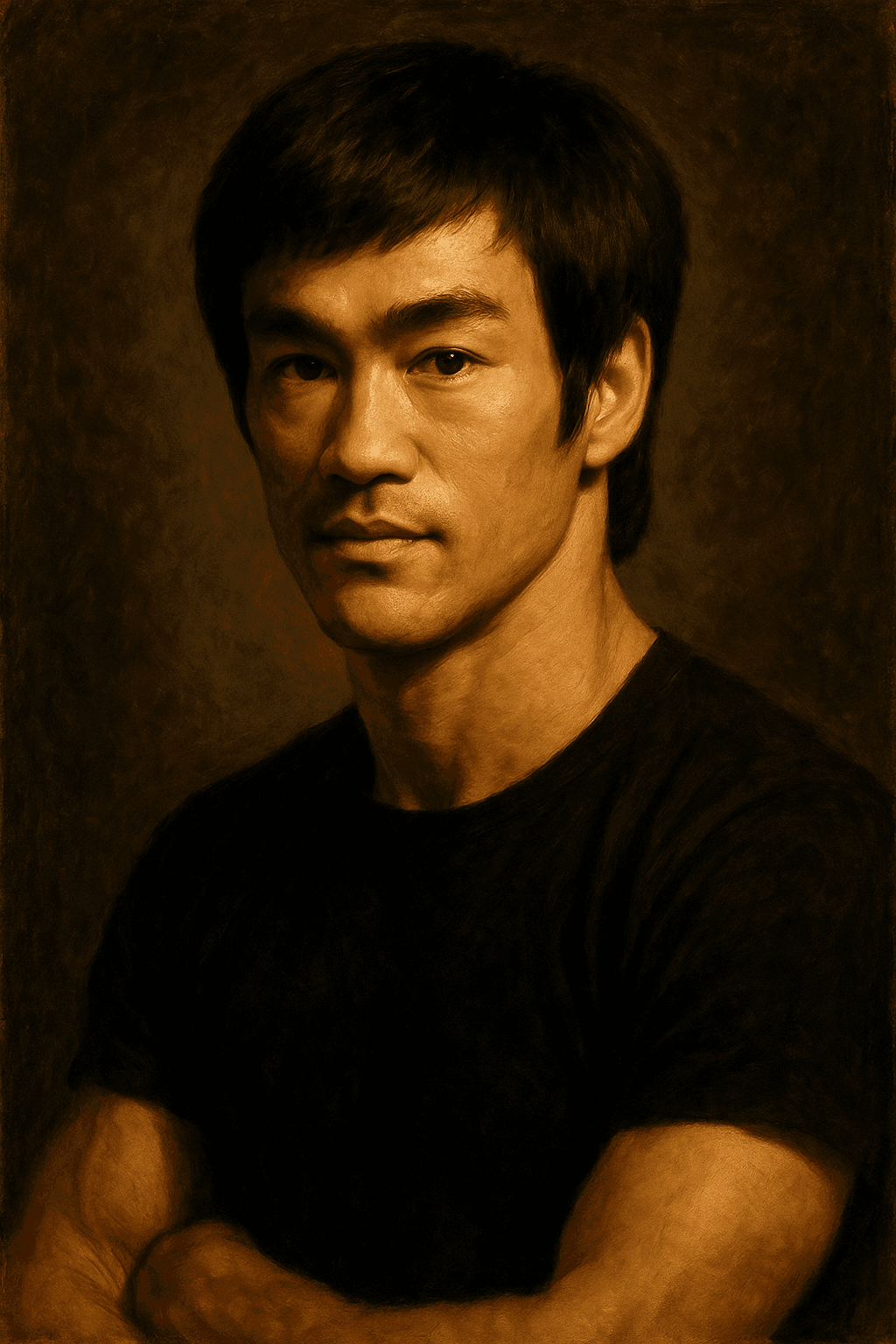
1973 - Hong Kong (Golden Harvest studios, Kowloon)
Place story available
Raymond has the morning's call sheet at the editing bay and the choreographer's apprentice is at the small stage with the third pickup's blocking, and I keep my hand on the storyboard because if Raymond sees the headache at the level of yesterday's storyboard he will postpone the third pickup to Friday, and the third pickup is the pickup Game of Death's nunchaku sequence requires before the Friday's stage call.
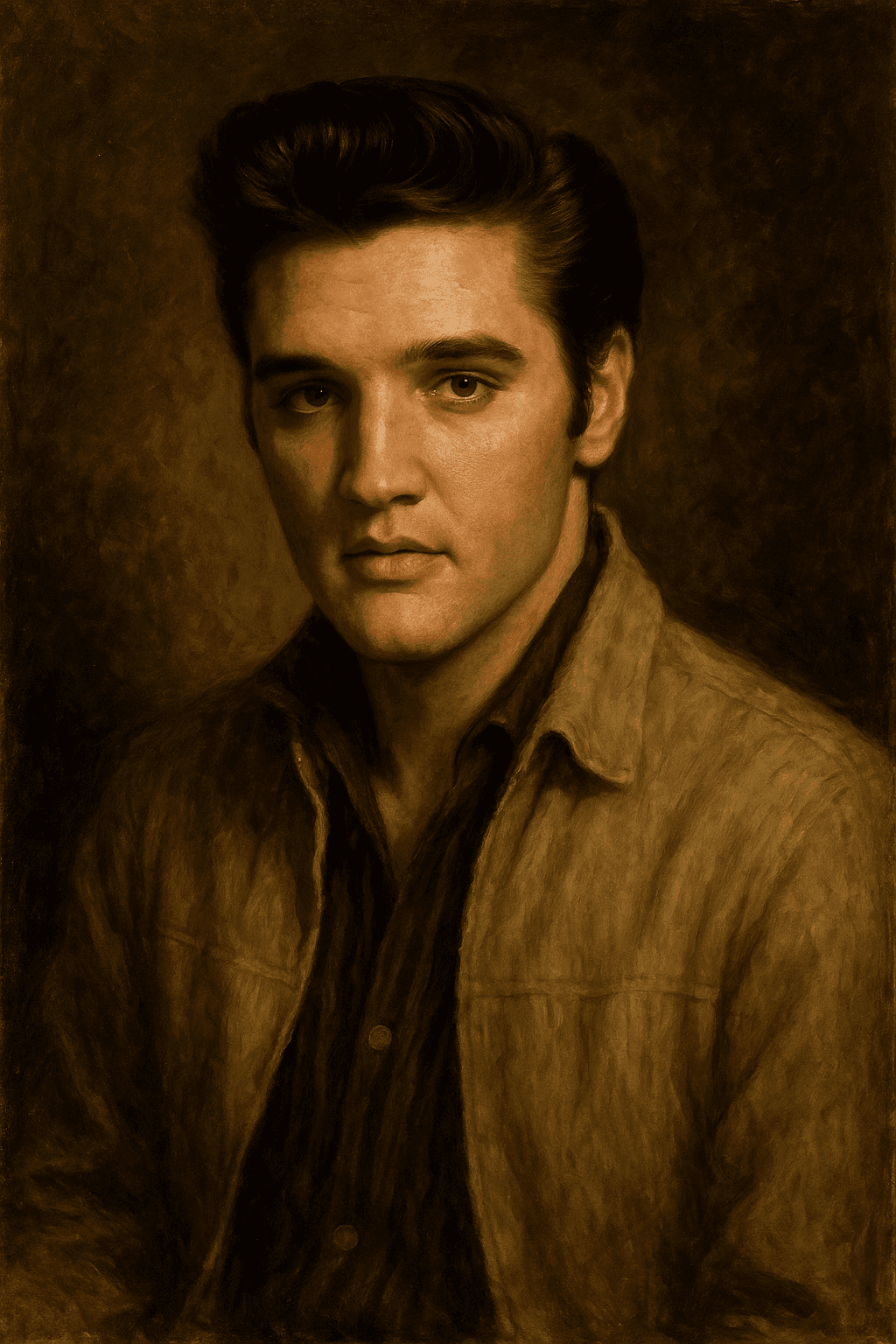
1977 - Graceland
Place story available
In the upstairs office at Graceland with the curtains drawn against the Memphis heat and Lisa Marie somewhere down in the house, I am setting my own account down on a yellow legal pad in the days before the tour opens in Portland, Maine on the seventeenth of August, still certain that the voice and the show will answer when I call them the way they always have, even as the body slows under me and the house closes in around the certainty.
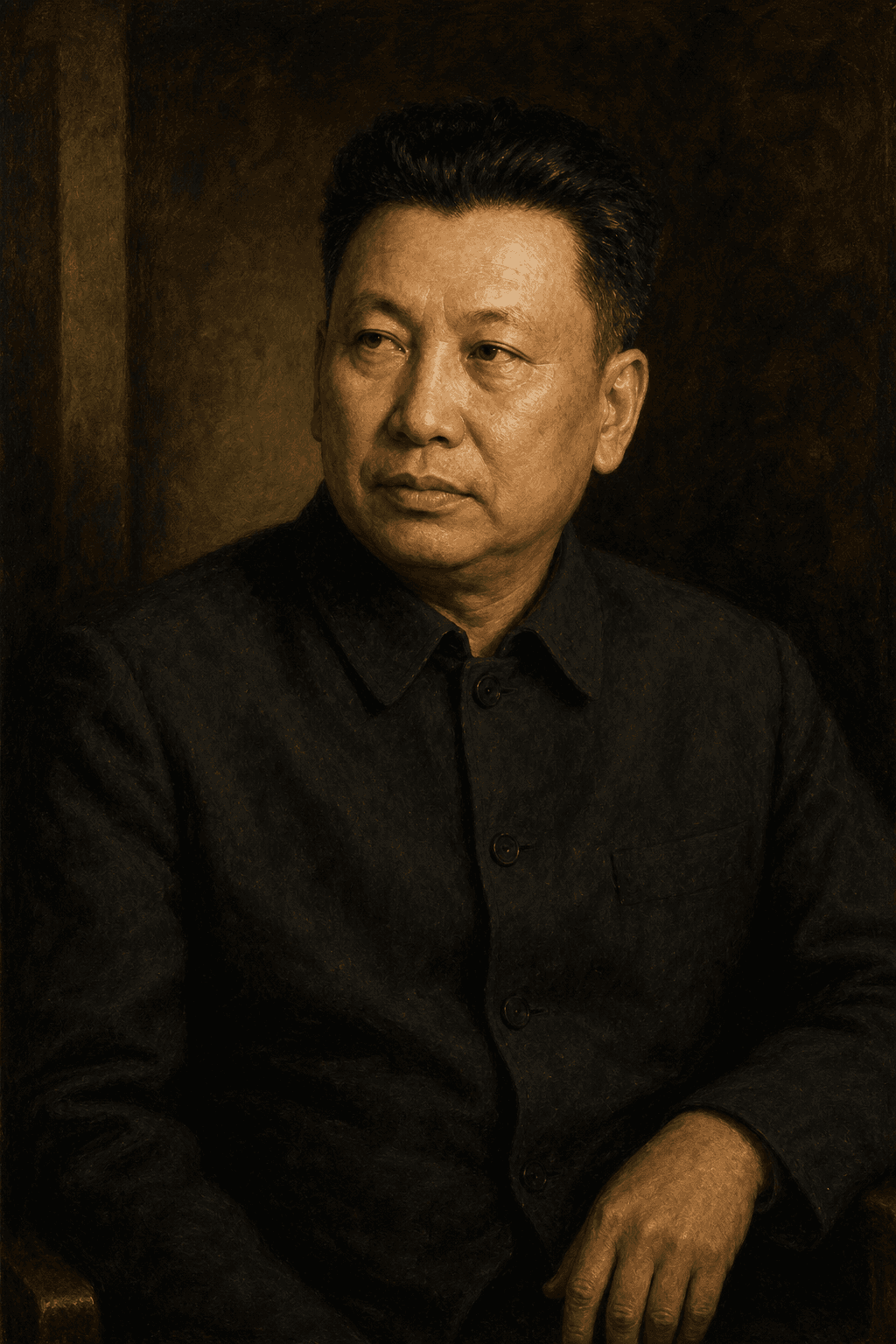
1977 - a concealed leadership compound in Phnom Penh (K-1 or K-3, autumn 1977; the figure operates under the name Pol Pot through Angkar, without public identification)
Place story available
A revolutionary operating under the concealed identity of Pol Pot reads the confession lists produced at S-21, treating names supplied under torture as administrative confirmation that the doctrine of category elimination must continue and that the party itself must be purged of the colleagues the manufactured confessions have just named.

1991 - London (Garden Lodge, 1 Logan Place, Kensington)
Place story available
Mary has the morning's Garden Lodge accounts at the small table by the door and Jim is at the lower kitchen with the afternoon's instructions for the cat-staff, and I keep my hand on the EMI press statement because if Mary sees the statement before the press release's hour is settled with Roxy Meade Mary will telephone Brian and Roger before the press release's first paragraph is at the EMI office's printer, and the first paragraph is the paragraph Brian and Roger are to read in the morning paper and not in Mary's voice.
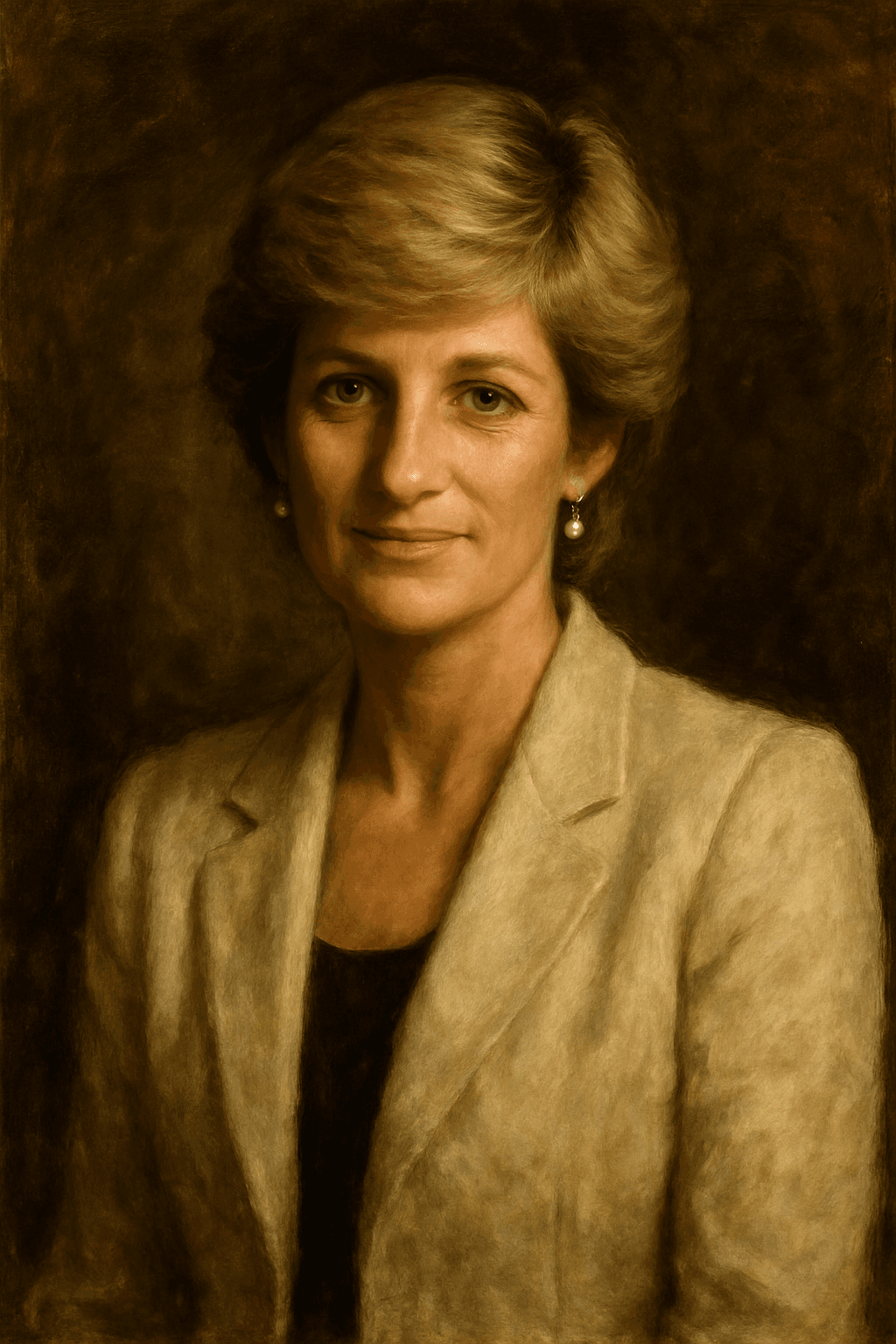
1996 - Kensington Palace
Place story available
In the small writing room at the back of Apartment Eight, three days after the divorce was made absolute and the letter from the Queen?s office removing my style of Her Royal Highness went into the drawer of my mother?s old desk, I am setting down my own account of myself, on plain paper, while I still can, before the version of me being assembled in rooms I am not in finishes replacing the one I can still recognise as mine.